cover crop and farm shots 6 1 2013


Here are the photos that go with the last post. The photos are in the order that the computer uploaded them so I am just going with the flow. Sorry for the lack of continuity.

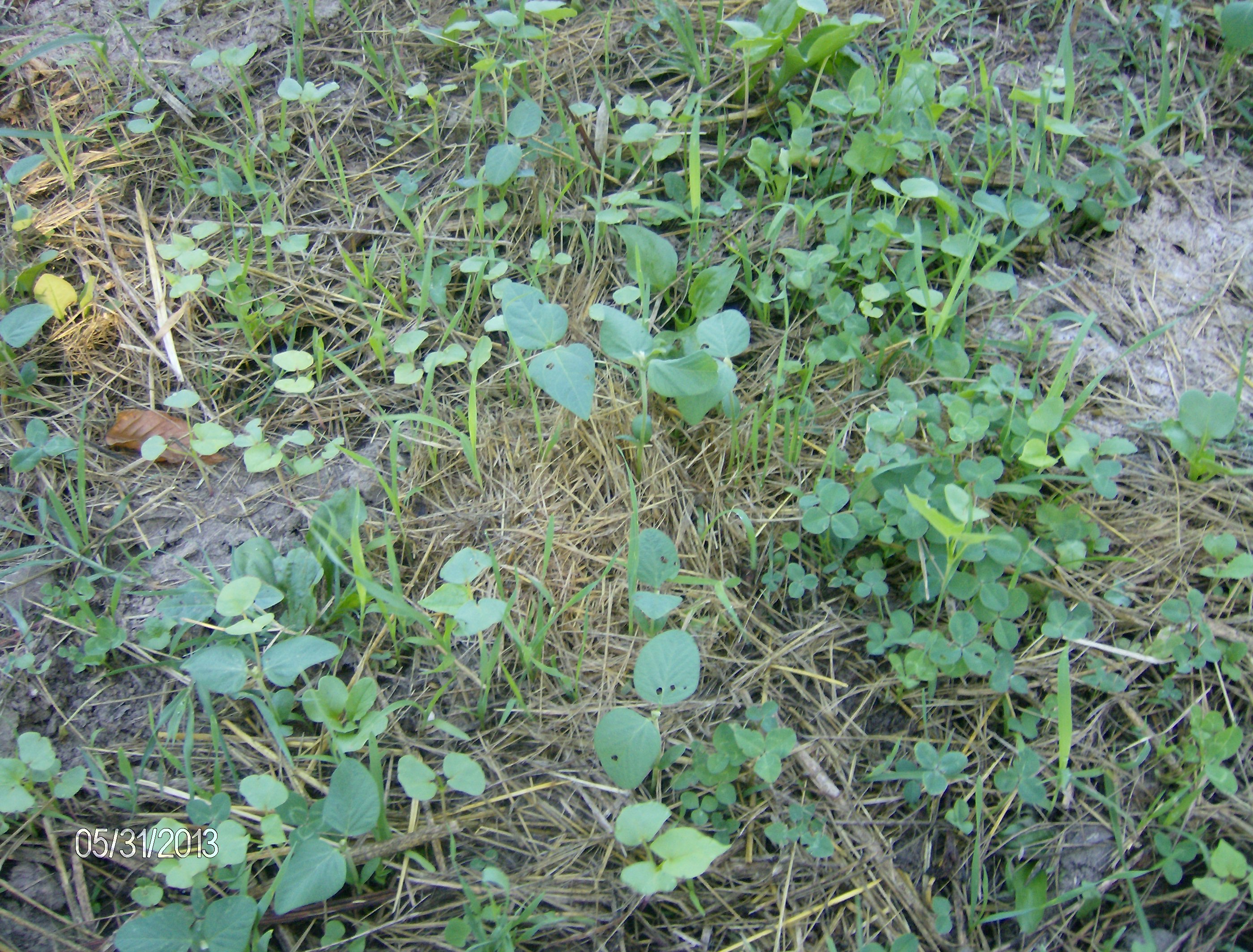
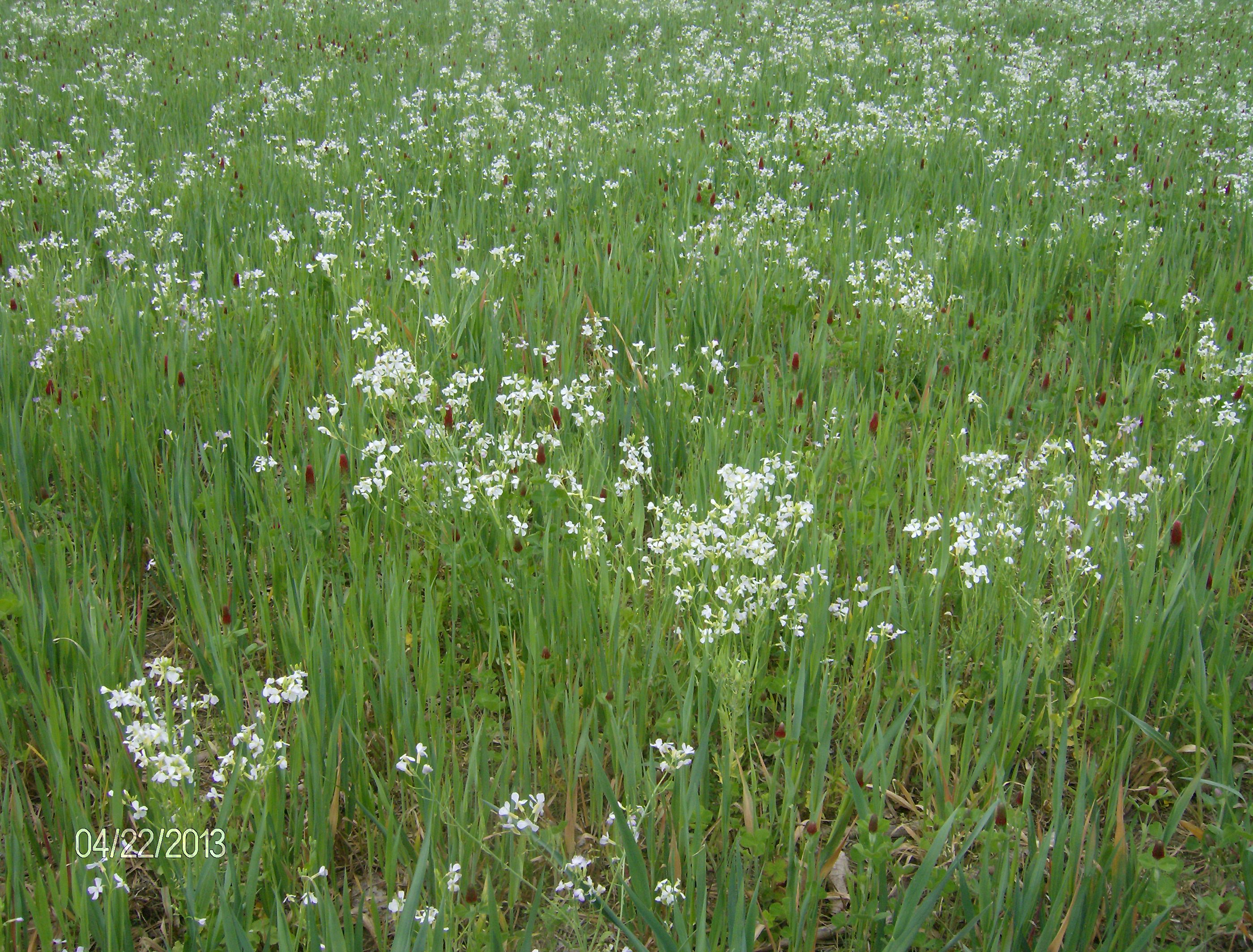
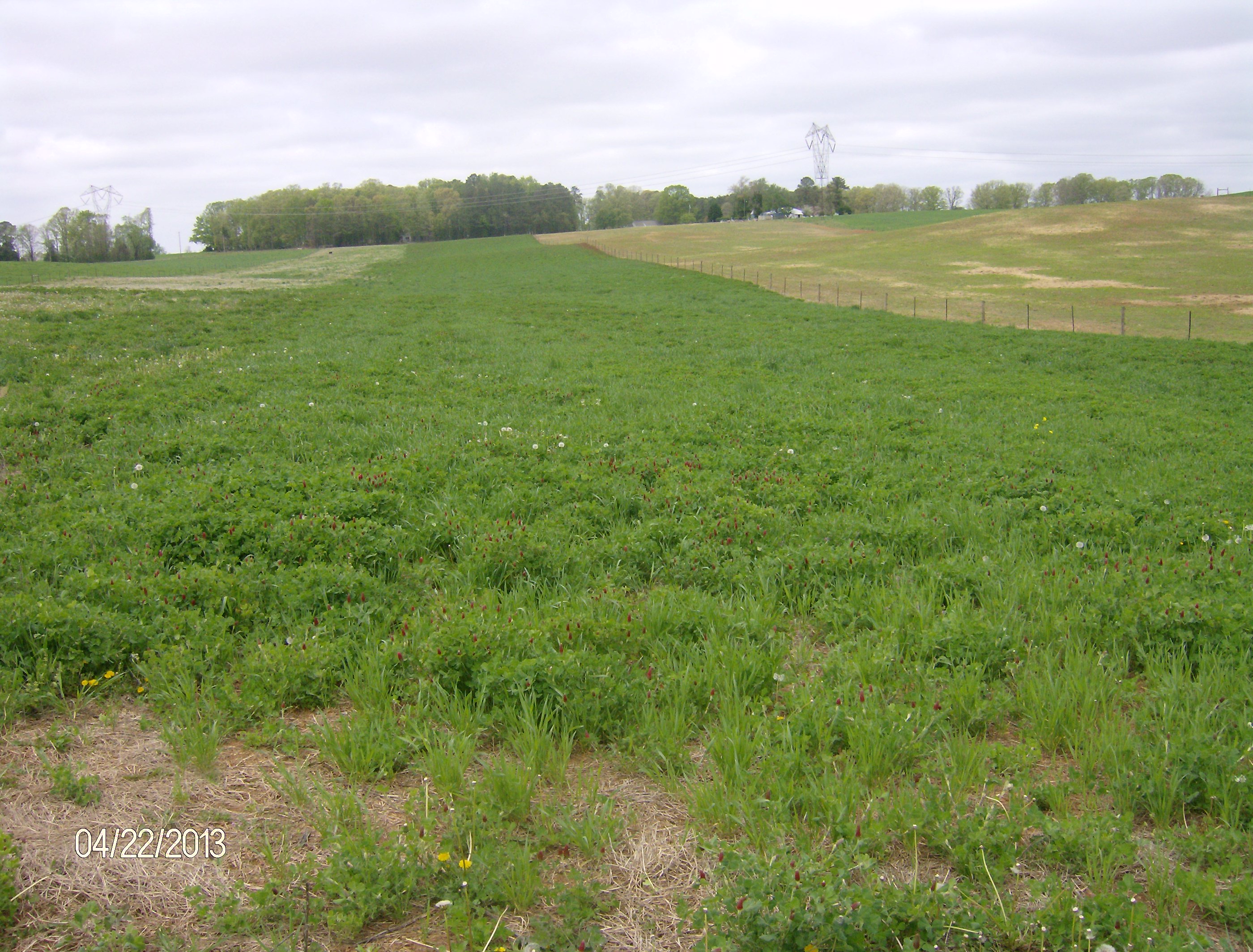
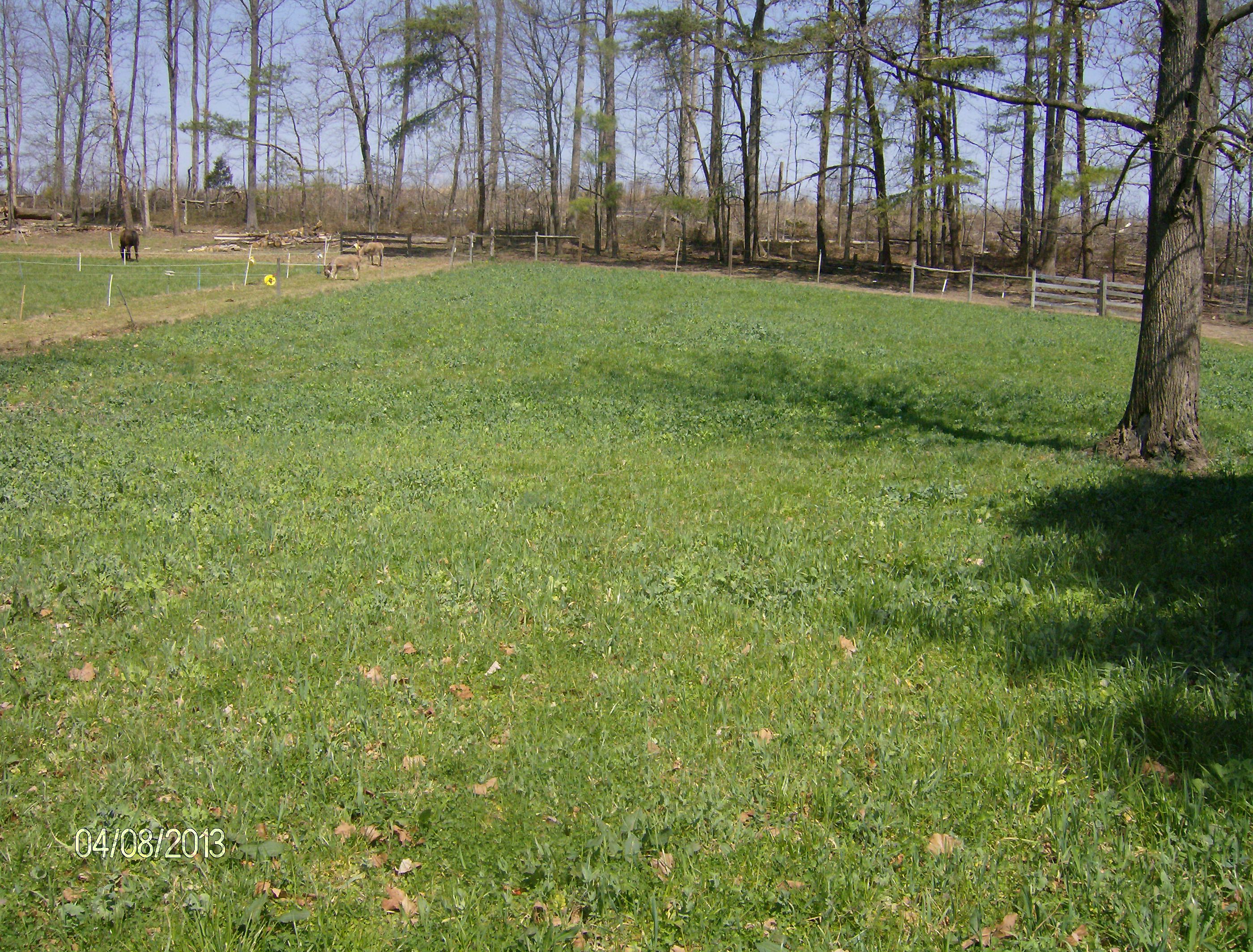
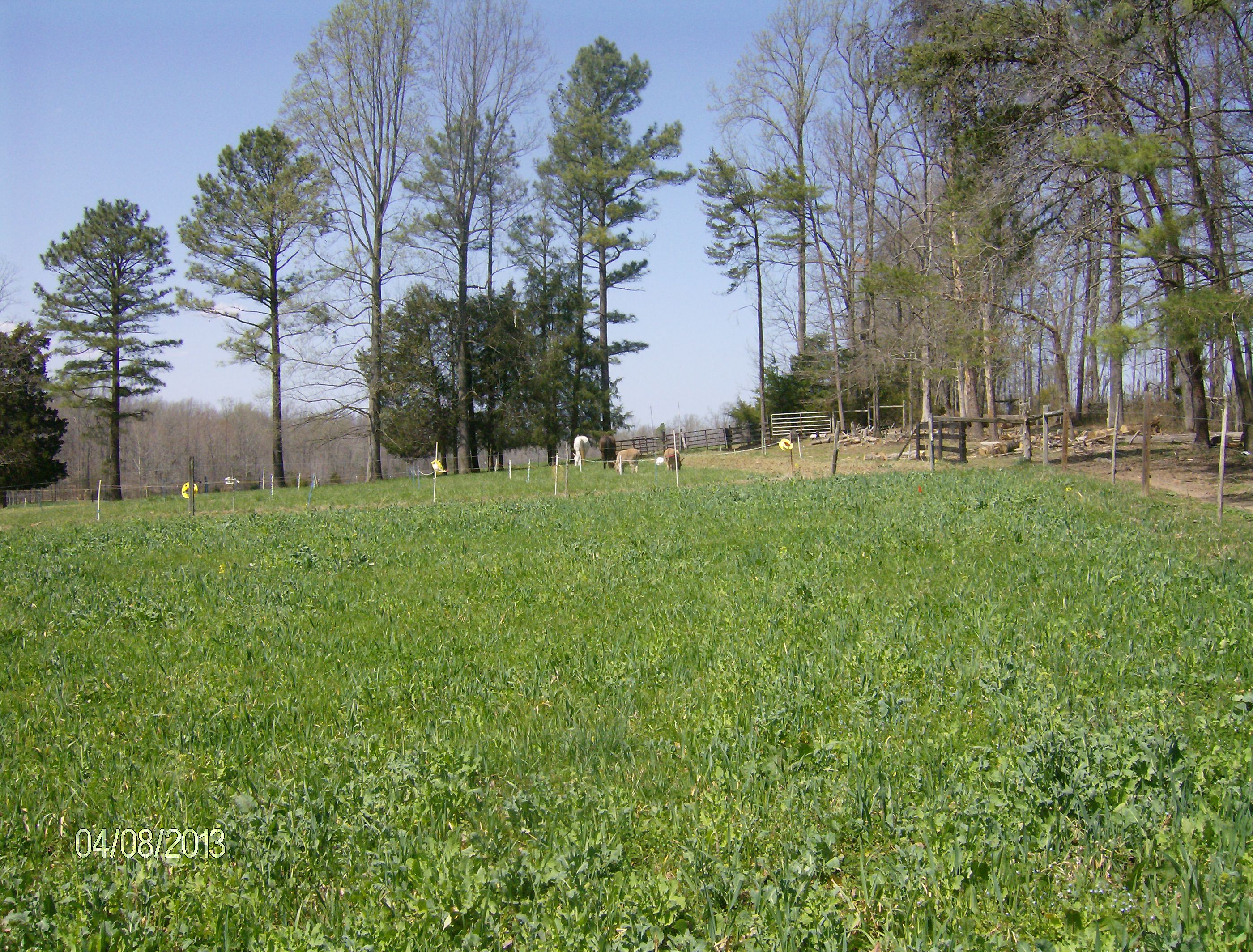
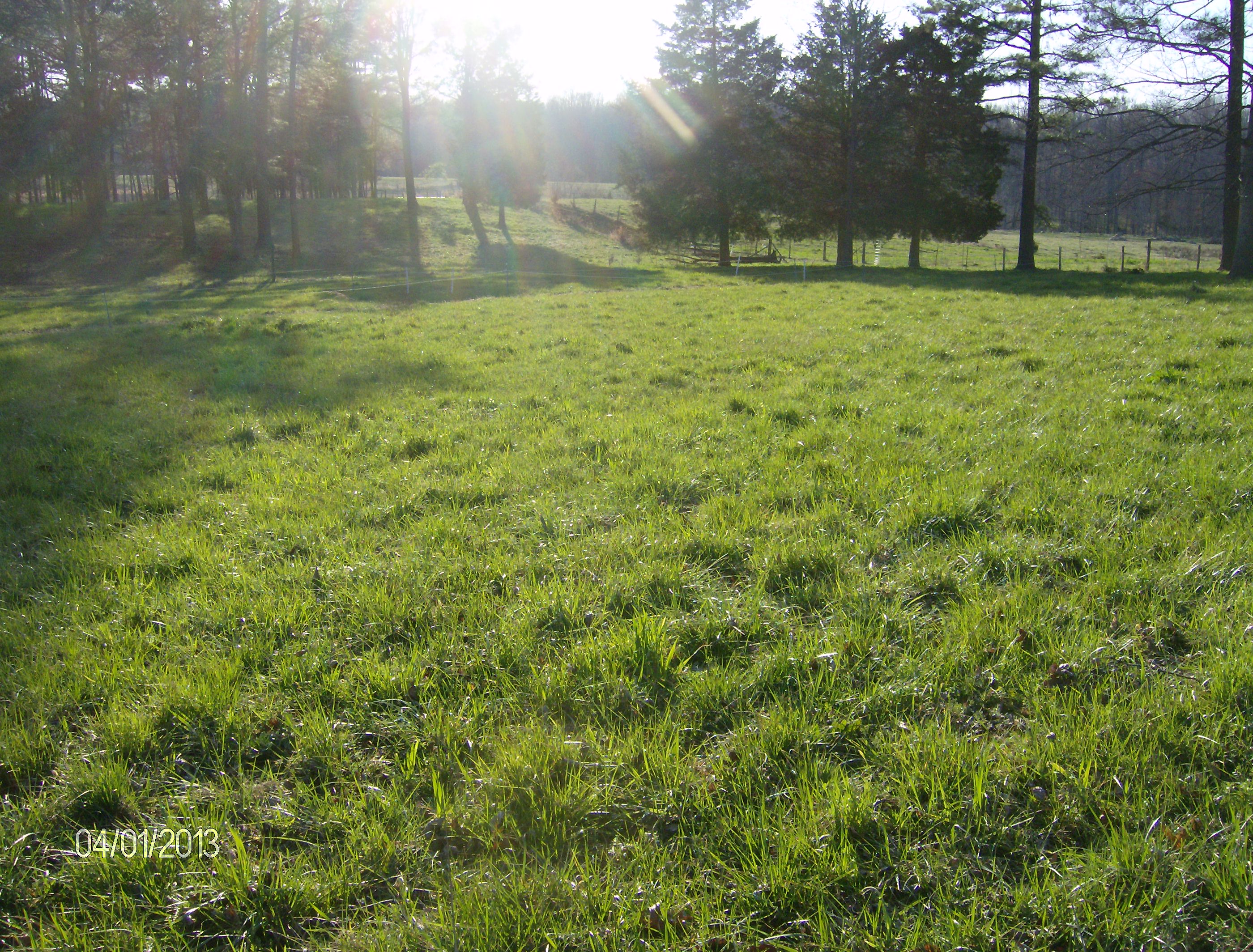
This first one is a field where we had some MSCC last fall and then i Broadcast summer mscc this spring….Just broadcasting did not work so I grazed it again and then mowed it….Now it has a wolrd of clover….mostly white dutch, some crimson, some red and even some yellow sweet.

white dutch clover taking over

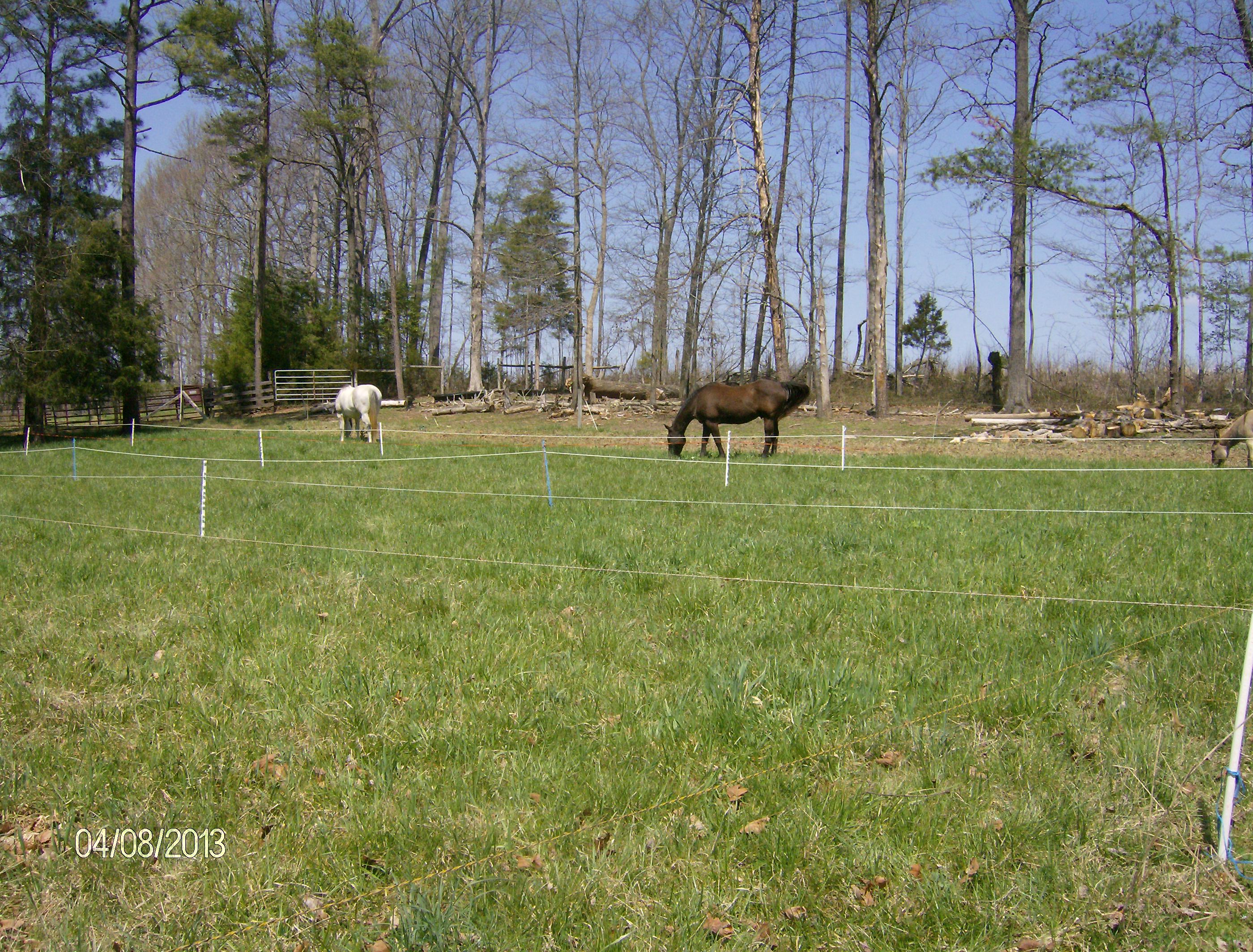
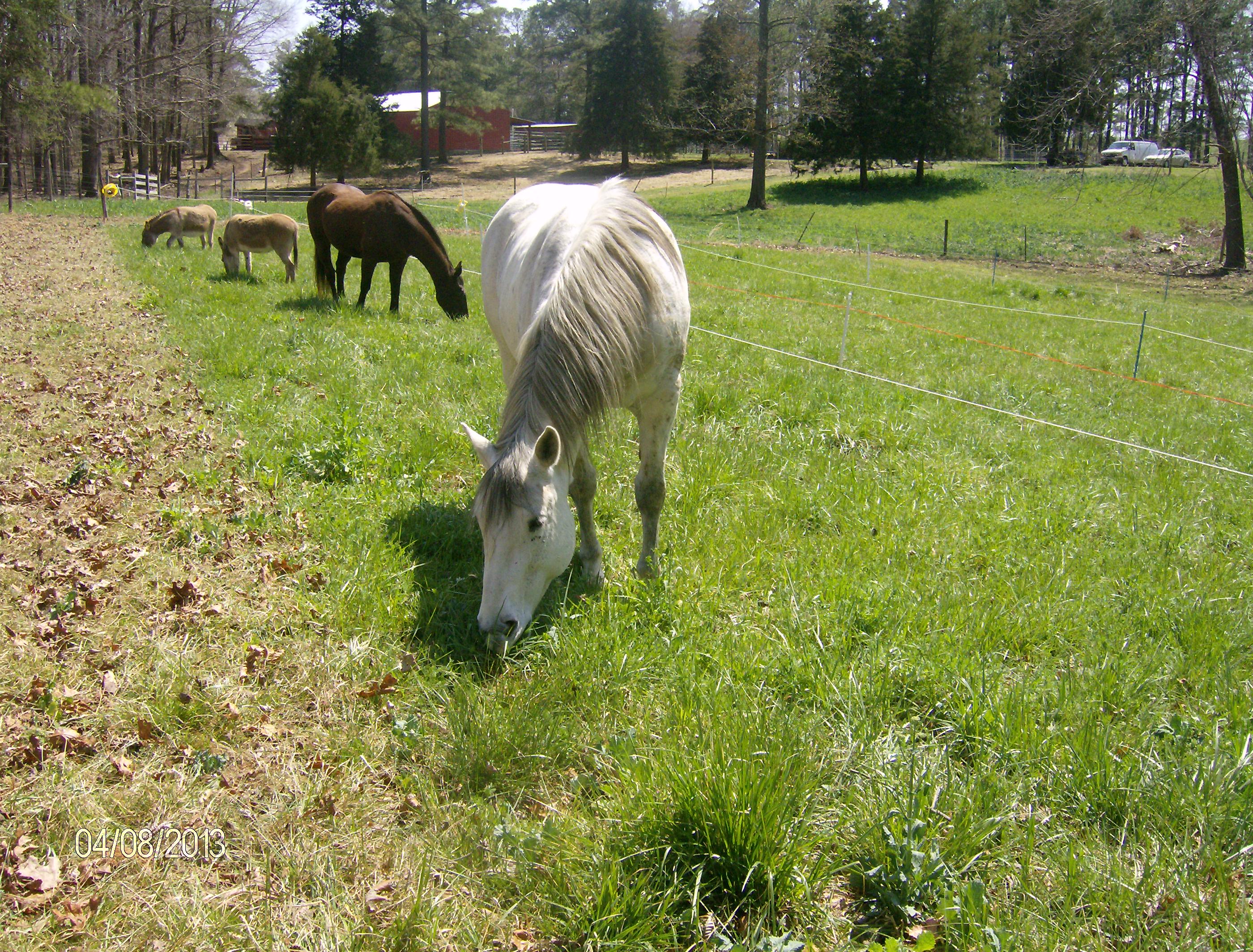
This is the paddock the horses are grazing now….they will get a new paddock today and I will bushog this one and the one previous.

where the horses are now

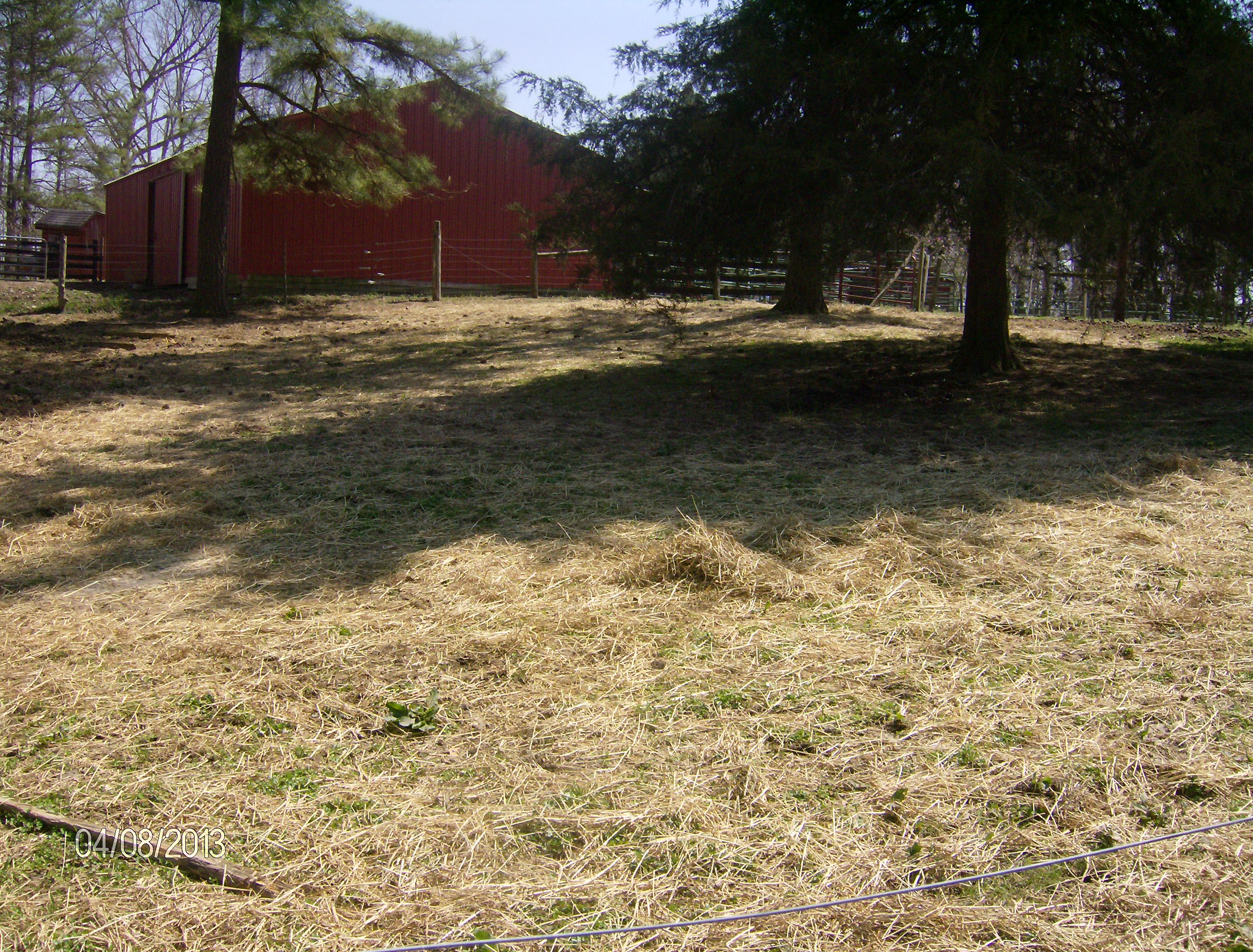
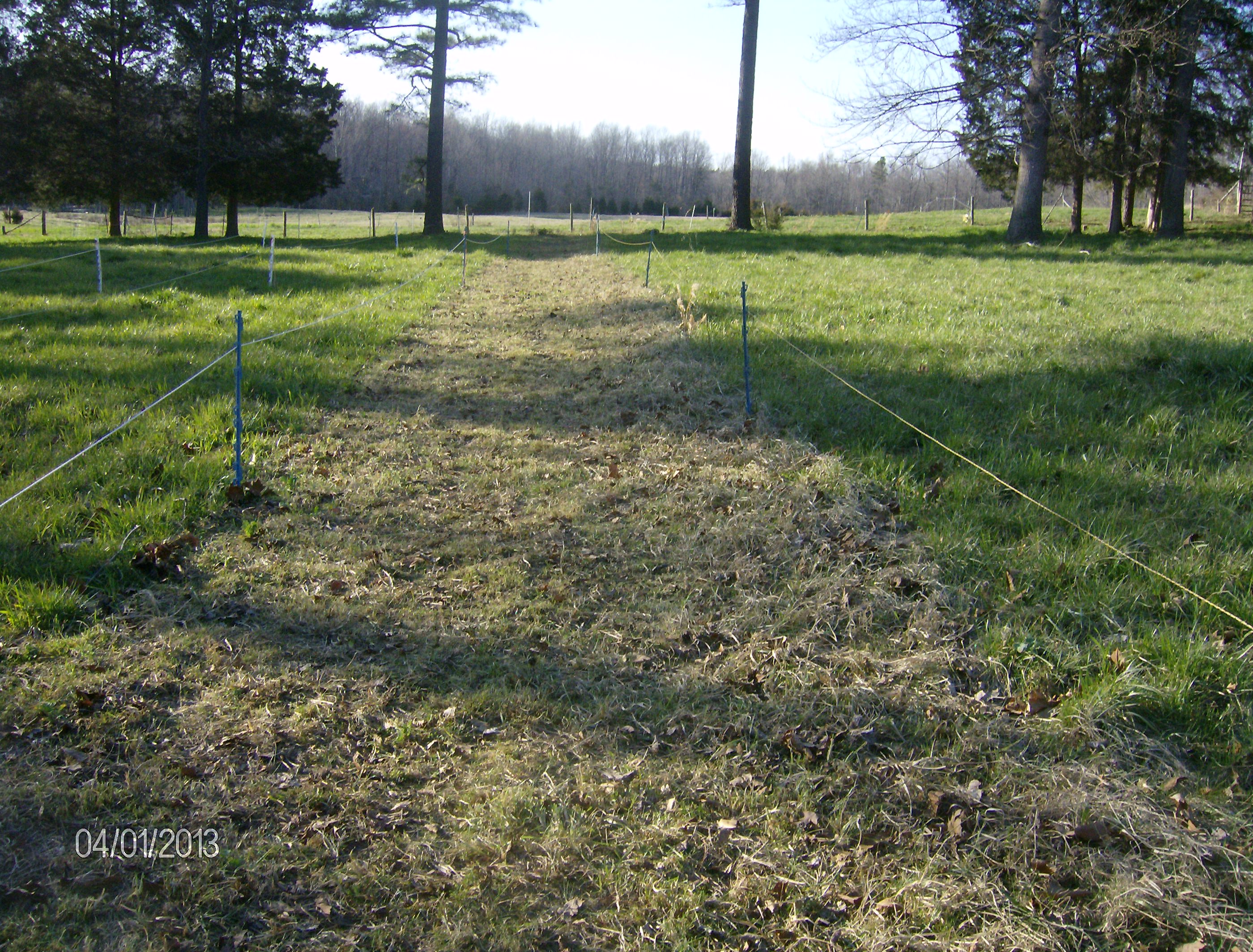
this is the new clearing….I burned brush from it several times during the winter and seeded it to summer MSCC on Memorial day….
the new clearing

This paddock was seeded with the aerator probably two weeks ago and the MSCC is coming up thru the grass.
summer cover coming thru the grass

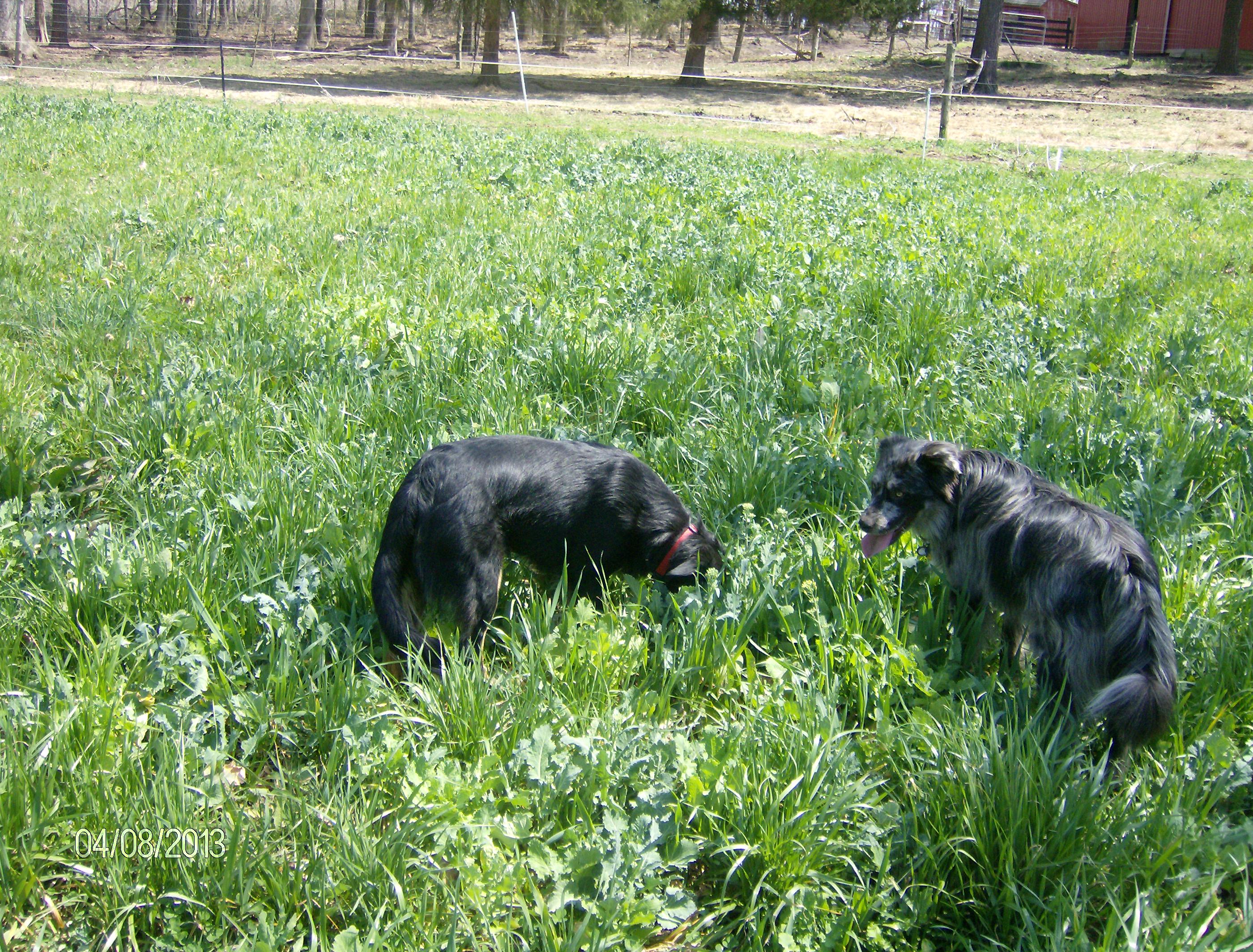
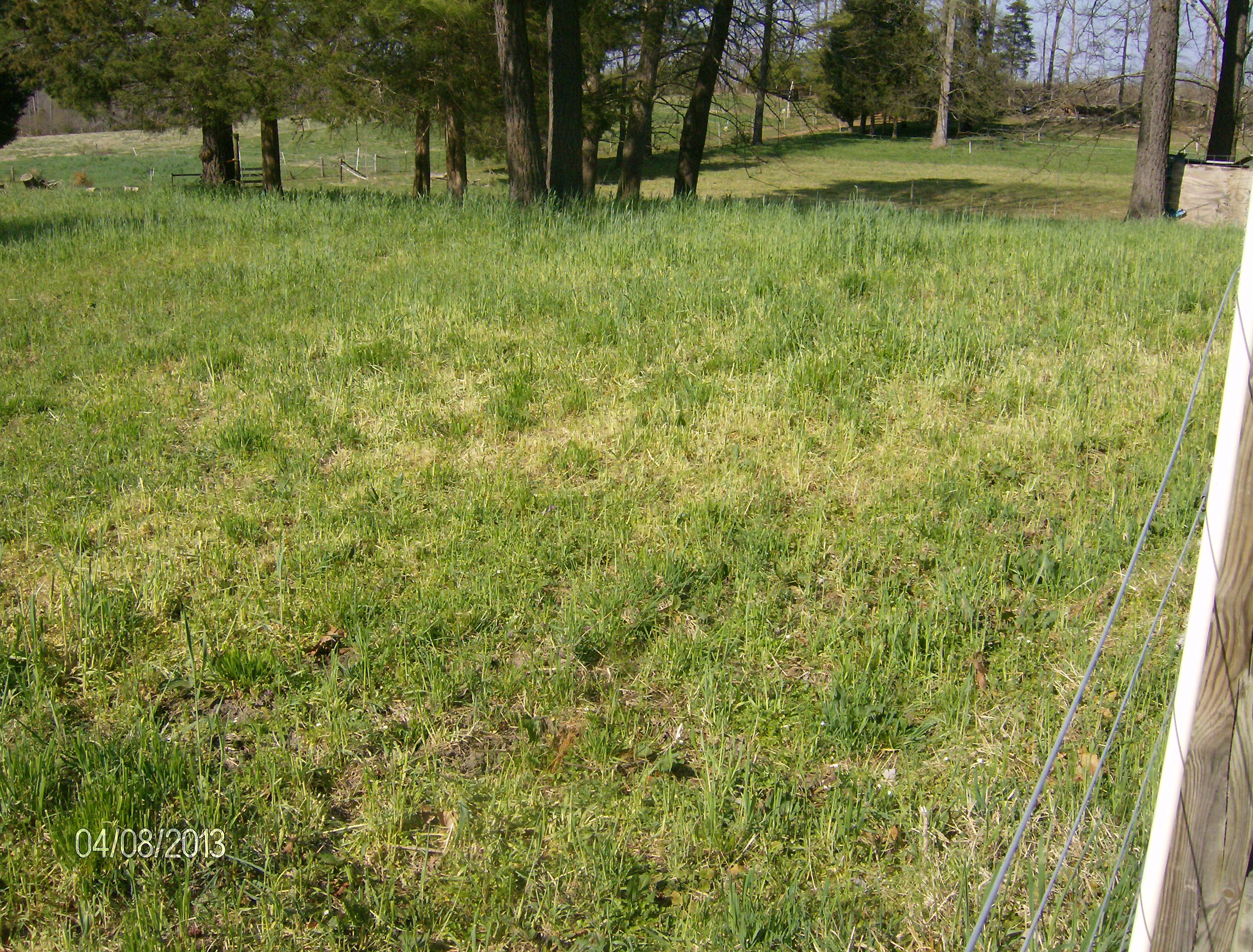
This is a shot of rye and Lana Vetch that was broadcast on pasture in late November….this is in the near future grazing for the horses….
rye and lana vetch

I passed thru the stable and Perkins was checking me for treats….
Perkins checking for treats

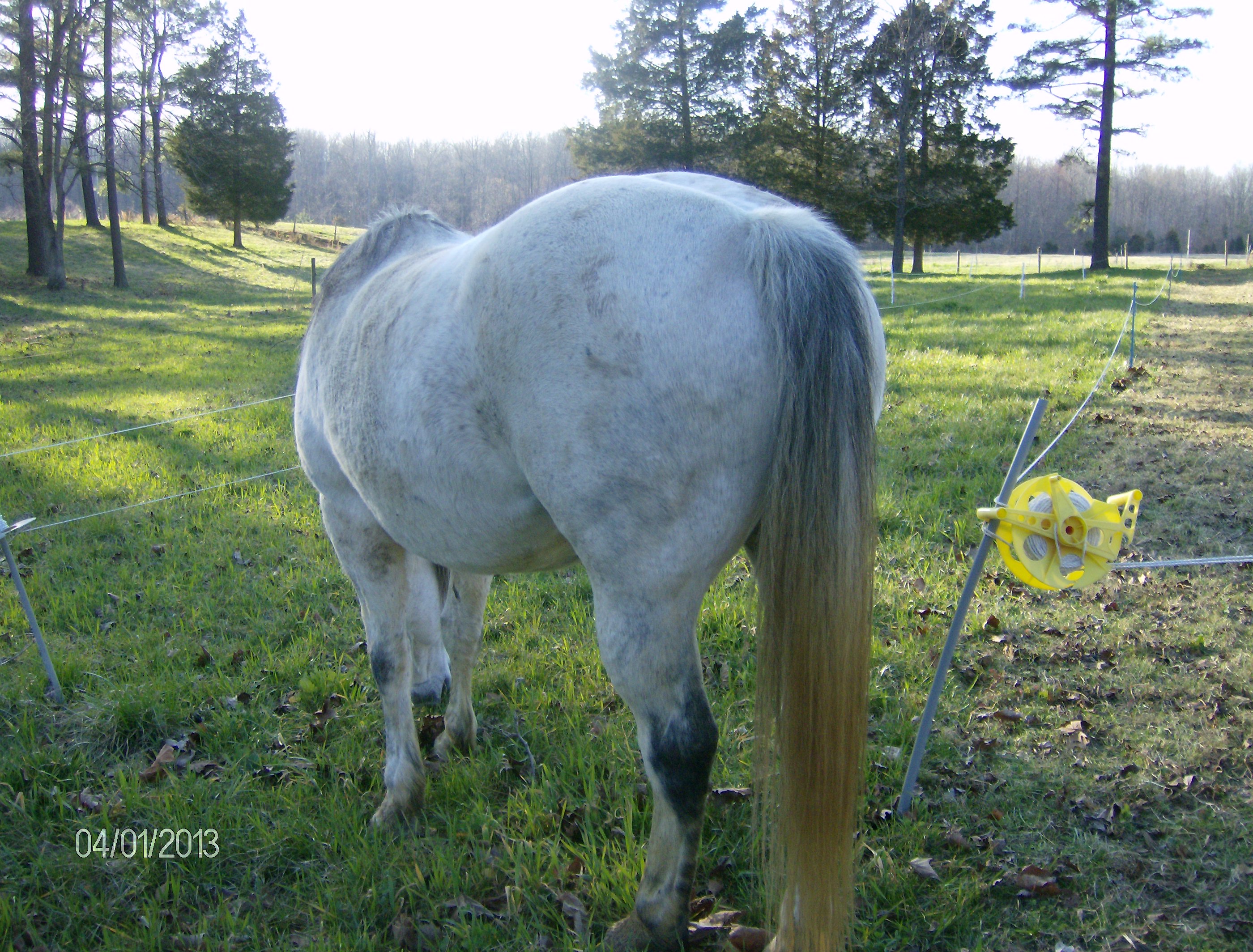
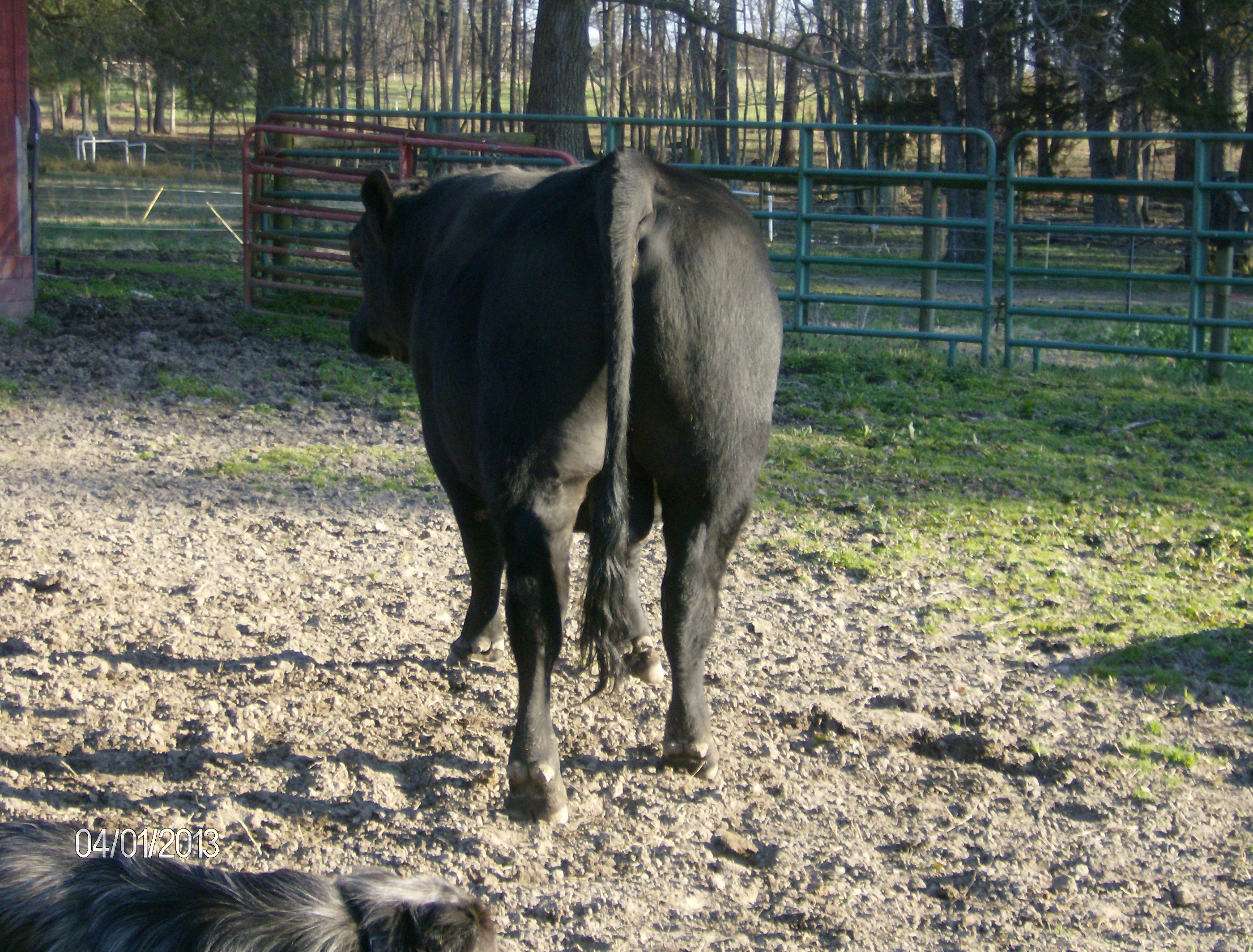
Just a shot of Perkins and Star Baby and Jonahs butt as they were cleaning up the round pen lot so that I could mow the weeds…this area used to be vegetable garden but I am gettin too old to do that much tillage work….I no till my garden now and use containers as well…the conatiners I am liking very much.
Perkins and Star Baby

just did this on Saturday…had a forage bucket with just fescue….pulled the fescue….added a little horse poo stirred it up…dropped in some MSCC summer mix and decided to just mulch it….will try to take regular photos.
new summer mscc test

Here is some of the new summer MSCC.
new summer cover

this is my MSCC test row in the garden that was planted Memorial day.
my test row 5 days

this is a shot from the fall MSCC that was not grazed and was bush hogged and broadcast last week….this shows the density of the crimson clover heads that are on the ground there….should be beautiful next spring.
lots of crimson clover heads

another shot of new crops MSCC that shows a little bit of everything I think.
little bit of everything

This shots shows Lana Vetch climbing the fescue….I love this stuff….legume, beautiful, nutritious, and self seeding if allowed.
lana vetch climbing the fescue

Star Baby inquires about treats.
got treats

this is a closeup of a wet area in the new ground where the summer MSCC has germinated….on the drier parts of the lot there is less germination….but there is a chance of rain tonight…
germinating where it is damp

This is the ungrazed fall MSCC that was just broadcast with summer MSCC and then bush hogged. there is too much grass cover to see any new germination yet
fall mscc mowed

This is some buckwheat that did come up near a fence line from the early failed boradcast attmept…I am discovering that Buckwheat is pretty hardy and easy to grow…have sprouts of it all over where I have dropped seed.
buckwheat

this was a real hotspot in the first field seeded with summer MSCC….don’t know if it was becasue of manure or just a plethora of seed from the feast and famine aerator seeder.
a hot spot

COVER CROP OBSERVATIONS


Sorry no photos this time…..

Just some scribblings from a beat up old cowboy…..

The last few days we have been involved in mixing and distributing some summer multi species cover crop seed. I have also been trying to get some seeded on my home place.

A few weeks back I seeded some home made cover crop seed which I broadcast into standing winter cover crop that had been grazed. I am here to tell you that was pretty much a failure. I think the birds and small animals were the biggest reason….In walking through the field to look for germination I found lot of hulls of all sorts and very little new plants….even the millet and sorghum did not seem to fare very well….

Just as an experiment, about the same time, I planted a handfull in a short row scratched in the dirt with a hoe in a pasture….last night I remembered to go check that . That row was up nearly a foot tall with good species diversity…..

I later broadcast another small lot with the same homemade mix and it was in a wet field which had been pretty well pucked when grazed by the bulls…I do have some germination and growth in that field but it is not overwhelming.

My conclusion is that these summer cover crops must have some soil to seed contact in order to germinate and flourish….

I have also been in contact with Green Cover Seed, our fall mix supplier….I specifically asked about the near failure of most of the cover crops broadcast over soybeans last fall….those cover crops were not a failure but they did not do anything until this spring…..unfortunately the crop behind beans was usually early corn…..this year we were blessed with a late and wet spring so a lot of those cover crops did have an opportunity to express themselves. In a more normal year they would have been sprayed and the fields planted in March. Corn here is 10 to 15 inches tall now. At this time last year corn was trying to tassel and it had quit raining and the drought had begun……. so every year is different in the challnges presented.

Alos last year we did not have frost until November….couple this with some fall rains ….which means soy beans still had a canopy cover and were still green and vibrant up until frost. So cover crop seed broadcast over beans laid where they landed without benefit of sunlight and competing with the beans. Below is what Kieth from Green Cover responded to me.

“As far as flying on to a growing crop – not much will work until the canopy opens up  – some years better than others.  It really comes down to sunlight hitting the growing plant – without that, not much will work.  The later it gets, the better cereal rye will work over wheat, oats, or barley.  Crimson clover and hairy vetch are the best legumes”.

I know broadcasting can work as I broadcast everything that was planted on my place last year….but I was not broadcasting over beans….I was broadcasting behind grazing…..On many fields I also might have mowed after broadcasting or run a drag (an old tractor Tire) over the field….but on many I simply broadcast after grazing….in my last post you can see in the photos that I had decent results….
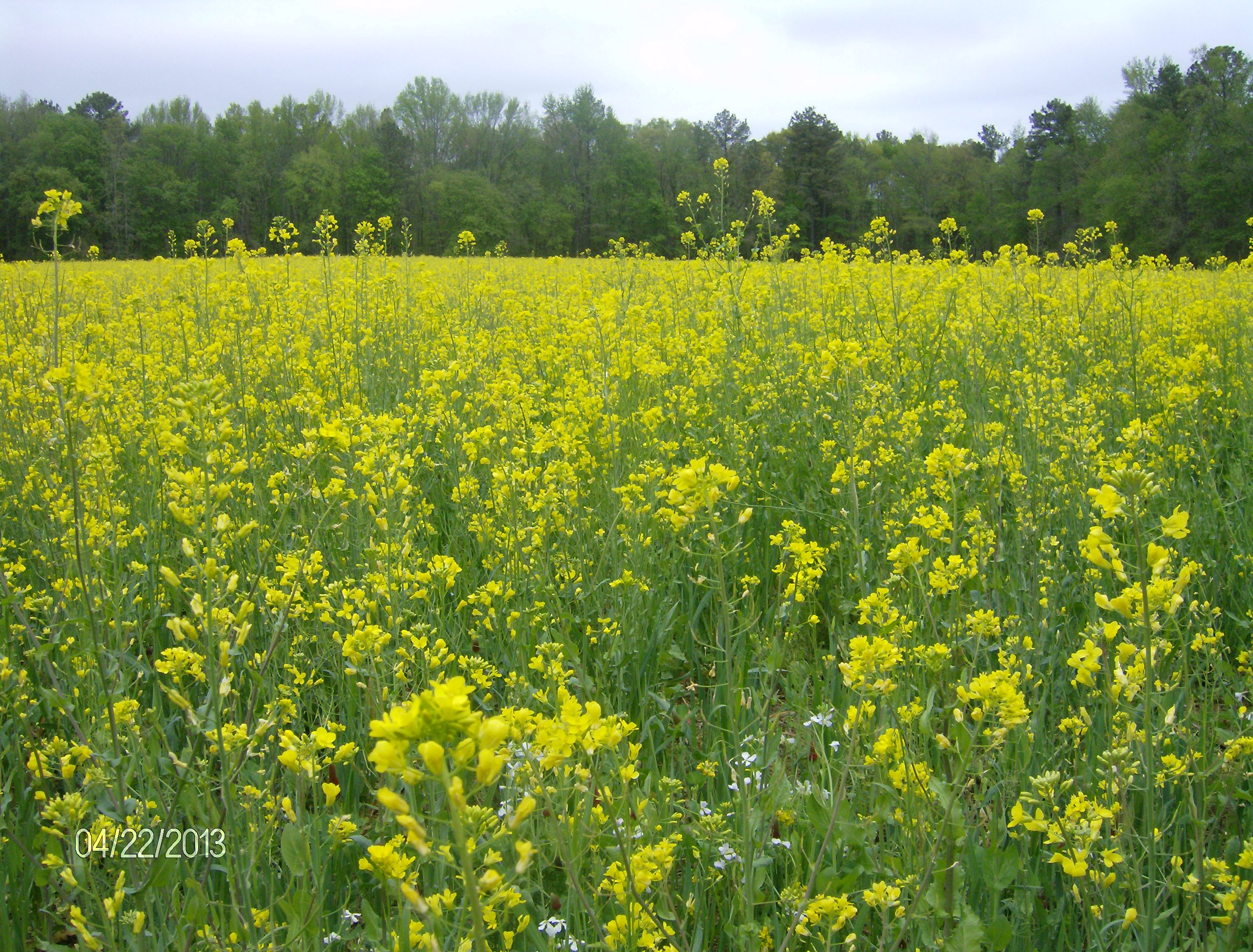
this week I have put seed down on two parts of one field….I cut the field in half and reseeded each half after grazing with the bulls….I wish I had the time to have taken a photo but I did not. This is the field where I had a fall cover crop and it had gotten about six feet tall….The Rape and Turnips had created a sea of yellow blossoms and hidden the clover and small grain and grasses. So I grazed it….The bulls left a lot of biomass which is good but they grazed in there for quite a few days as well.

I do not have any type of planting equipment….The day I wanted to do the first half of the field I did not even have my broadcast seed bag. I do have and old spike tooth aerator and it has a distribution box on it but it never seeded properly and the seed rate adjustment had been stuck for years. I fooled with it until I got the adjusment to at least move….then I hooked this contraption behind my Bush hog and mowed…seeded and aerated in one pass….

update here….on 5/24/2013 I have multiple species seed germination….it is too early to identify but I have single shoot grasses and dicot leaves germinating…planted on Sunday and shoots up to an inch tall on Friday….I am tickled…

The second half of the field I had my broadcast seeder so I broadcast and then mowed and pulled the aerator over it….I hope some of it will come up….I really need to find some type of seeder that I can afford for small acerage. Anyhow we will keep on putting out seed and seeing what happens.
Also in terms of fall cover….at my place Kieths statement above is correct….the ceral rye and the Lana vetch and the crimson clover were the stars of my cover crops….and I put out a lot more wheat than I did rye because it was easier to find and pay for….but the rye was superior….
I have rye and vetch that is so tall the horses do not want to go into it….but they will…and they are trampling down as much as they are eating which is good for the soil….I will move them and mow that paddock this weekend.

I have winter peas that have not yet been grazed….It is a Multi Species Planted field where the Rape and Turnips did not take over…..The Crimson Clover and the peas have been a spring delight….The winter peas are now providing the show….they are beautiful when they bloom….

One more thing….these cover crops are excellent for wildlife….I have quail on my little place and have not had any quail for over 25 years. I have had a covey of eight all spring until they broke up into pairs for nesting….Also had a turkey nest within 100 feet of the house….the dogs flushed her about two weeks ago….unfortunately Apache proudly brought me a dead turkey poult…..I hope some of them survived….

← Back

Thank you for your response. ✨

cover crop checks 4 23 2013


you can click on any photo and see it in large size…..use your back arrow to return to the blog.

I was doing cover crop checks this afternoon to asure compliance with cost share regulations….

Most of the producers has already sparyed to kill the cover crops and planted corn. Some corn was up and seemed to have survived yesterdays frost.

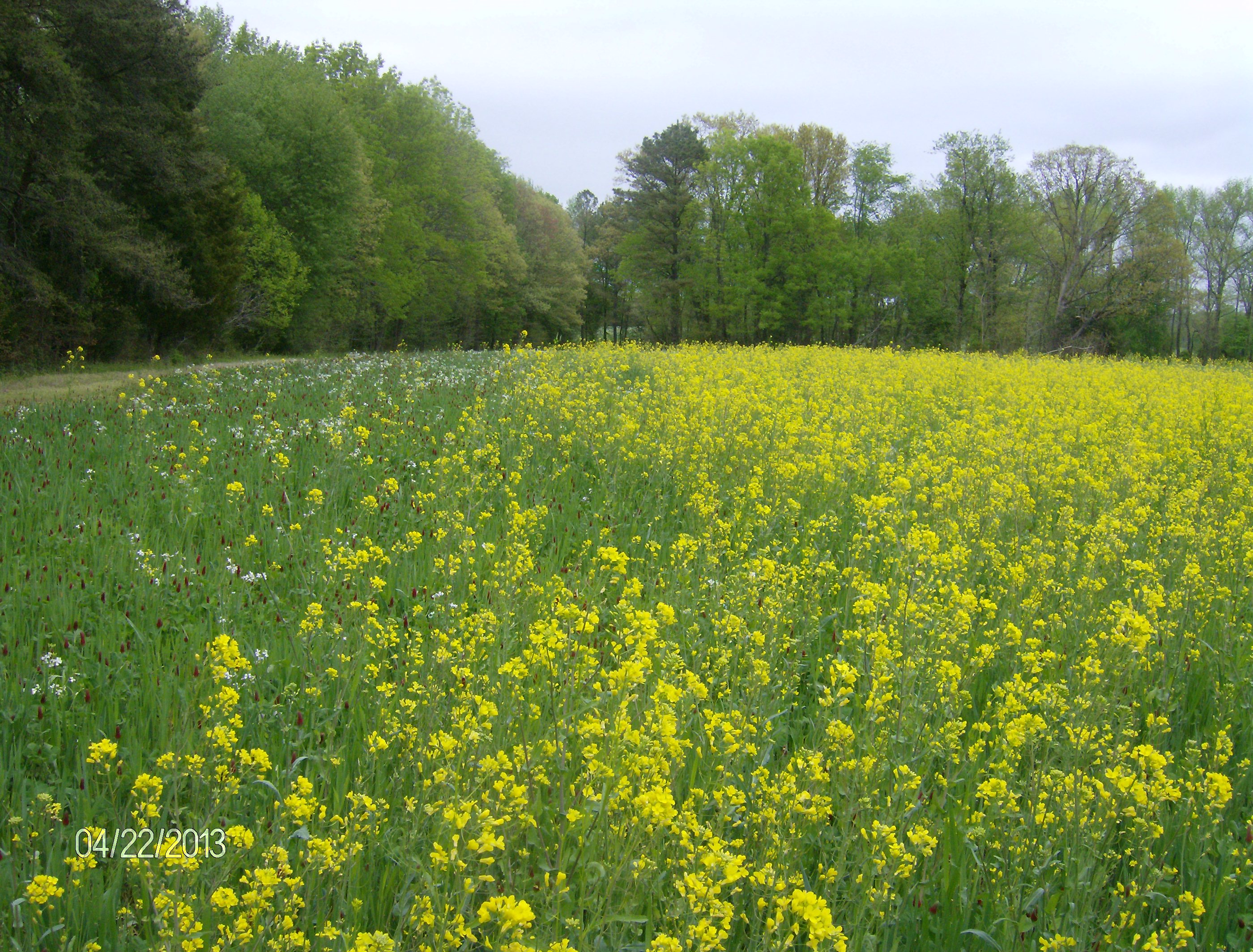
Two farms put on a brilliant display shown in the photos below.

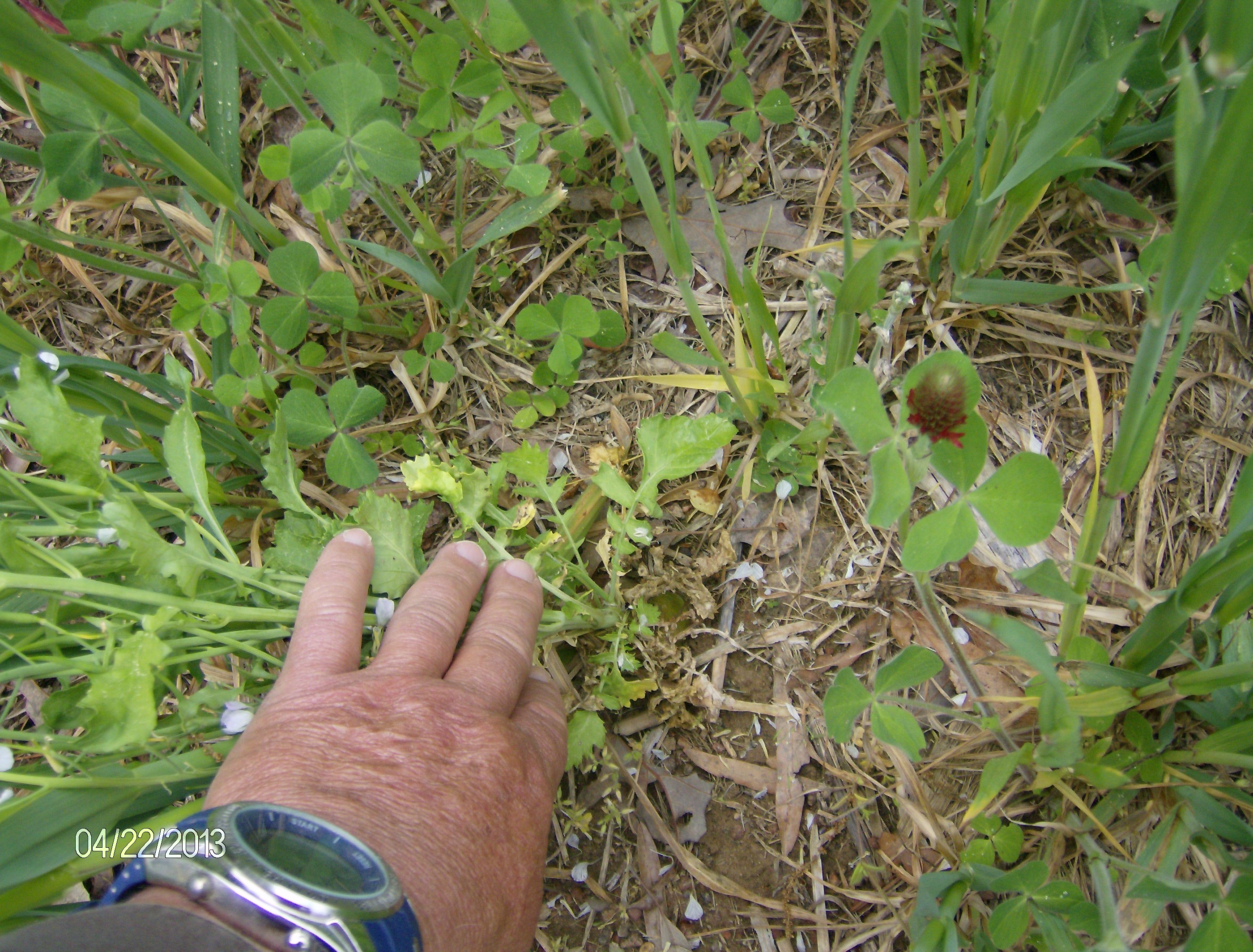
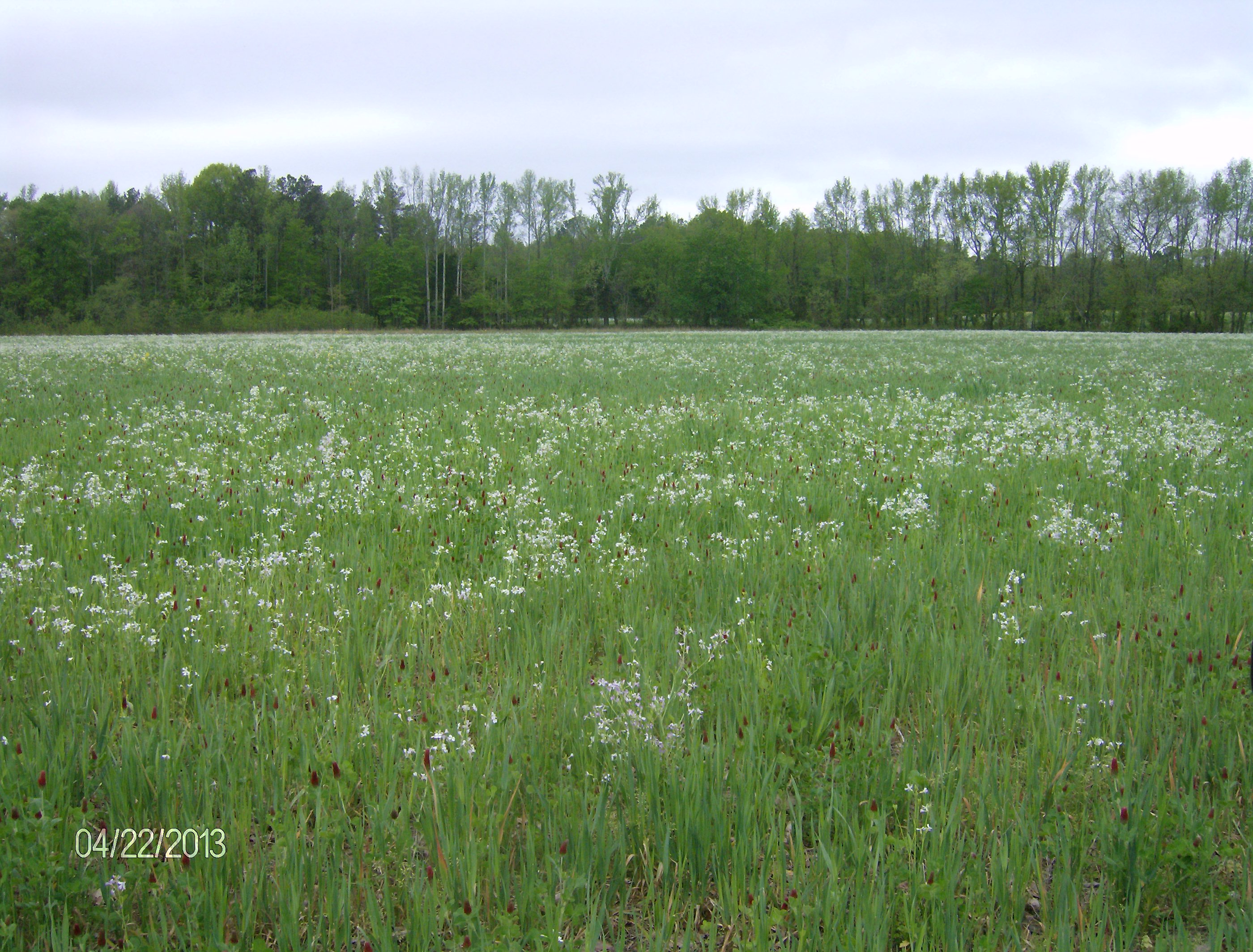
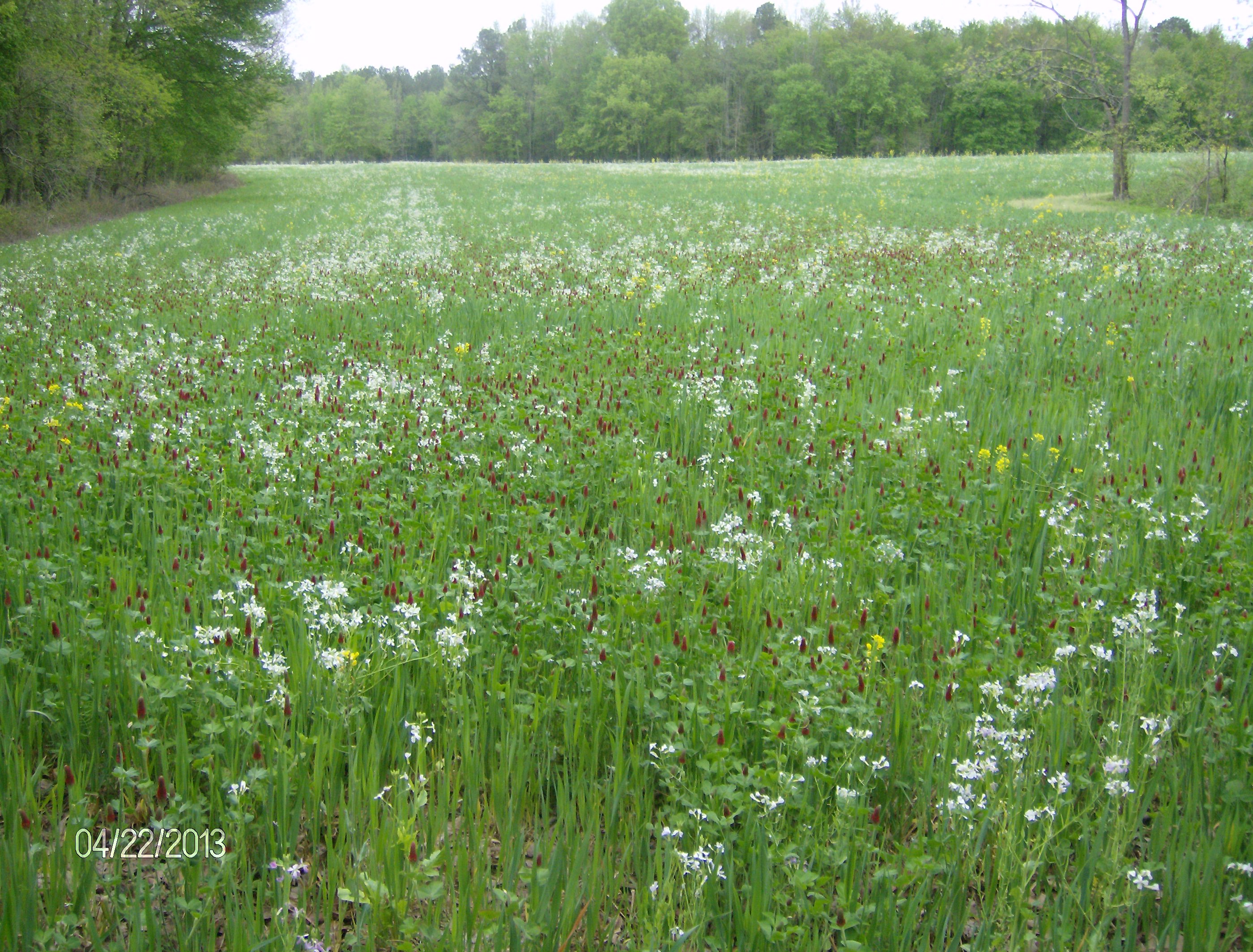
Jim Clay has the only stand of Blooming tillage radishes that I know of. I know that mine winter killed as well as the oats. Jim does not have any oats apparent but he has loads of radishes that are blooming like crazy. In this first photo I tracked the flowers down to the radish root to be sure that is what was blooming….

tracked the white flowers down to the radish

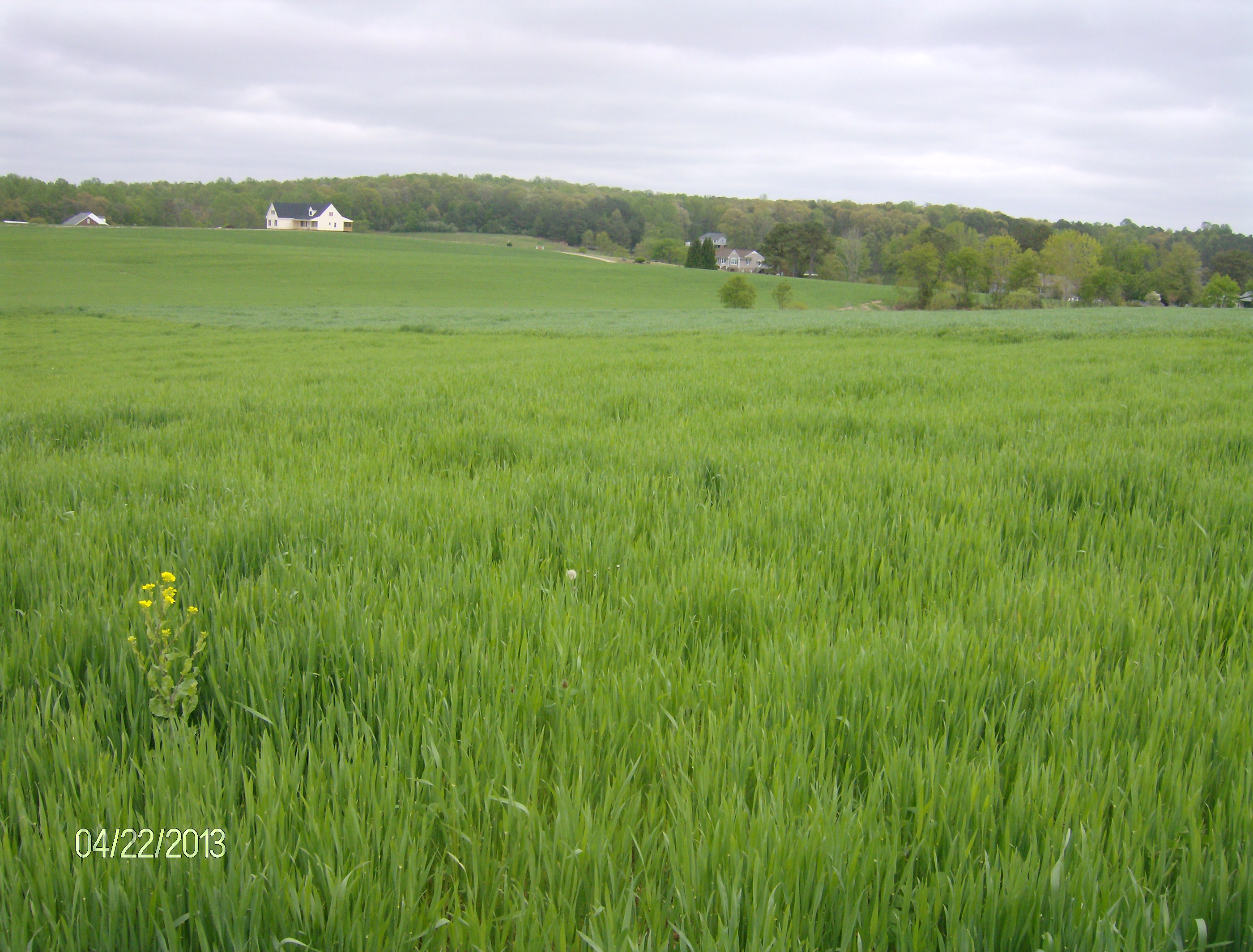
This was just a shot of the small grain and grasses at the Isbells Keenbell Farm.
small grain at Keenbell

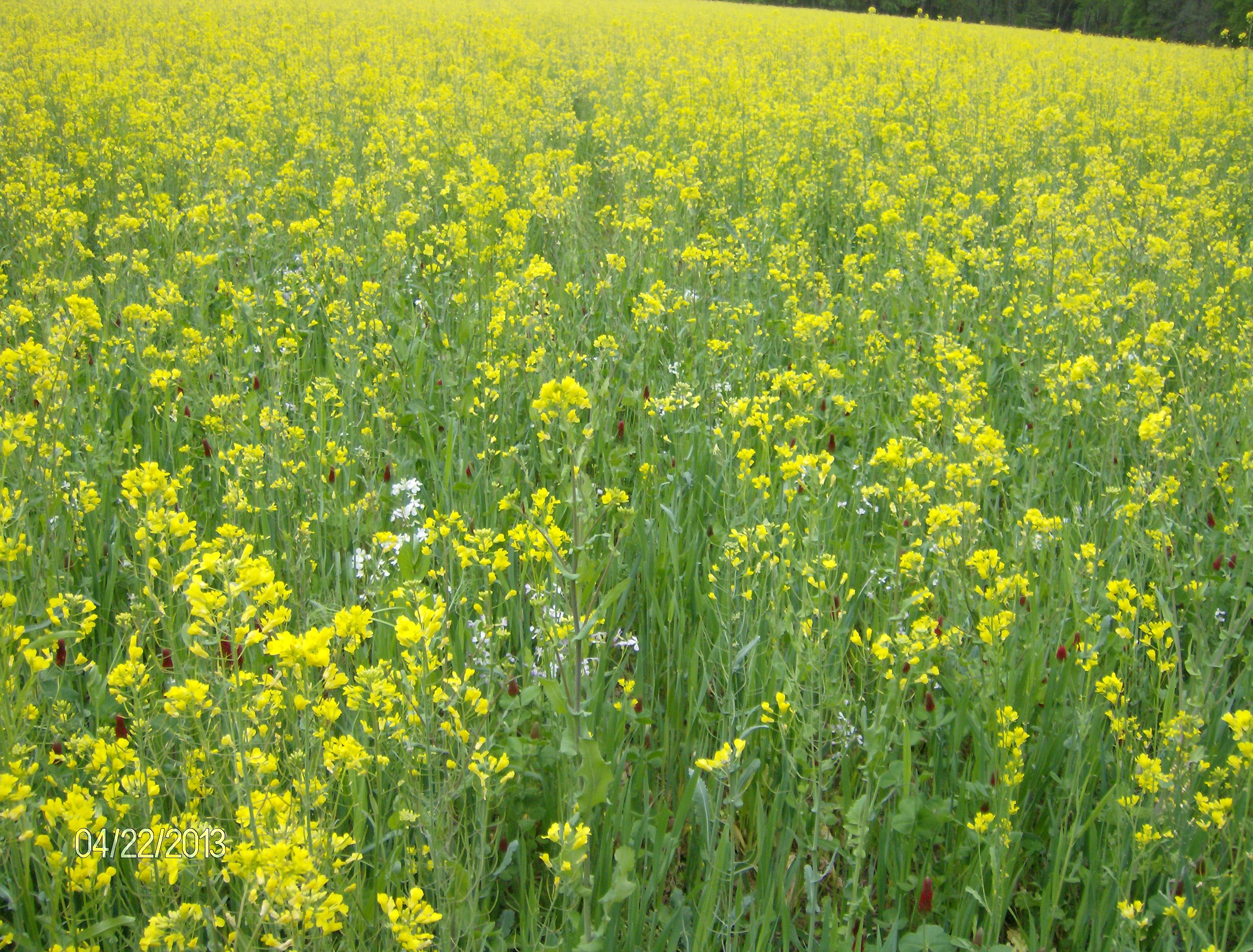
Jim planted both the 4 way mix and the nine way mix….in the nine way mix the rape has overtopped everything else just as it has at my house..
rape takes over the nine way mix

The blooming heads of the rape are nearly four feet tall..
rape is nearly 4 ft tall

here is a closer shot of the Clay Radish and crimson clover and triticale….radish, crimson clover and triticale

KeenBell are intensive grazers and move the cattle daily. In the strip you can see yesterdays grazing , todayd s grazing and the future days grazing….CJ said it is 18 inches tall.
keenbell moving daily

Keenbell is grazing their cover

keenbell grass

intersection of the 4 way mix and the nine way mix at Jim Clays…
intersection

Five acres of the nine way mix.
five acres of the 9 way mix

At Keenbell the Crimson Clover and the Triticale seem to have dominated the stand. not sure why as this is the only place I saw this happen.
crimson clover and trtiticale

Clay 4 way mix
fifty acres of the 4 way mix
about fifty acres of this

farm doings 4 19 2013


some snapshots from around the farm yesterday and today….no sequence and no continuity but I will try to explain what is up. I have been grazing the bulls in strips through a small field in front of the house. this is a field where I had planted some multispecies cover crop seed along with some oats that I had last fall…..I only had a smattering of MSCC cover crops seed when I did this field so it was just poured in with the oats. The oats and the tillage radishes all winter killed but I had a good stand of clover and turnips and rape along with some wheat and tritcale. I decided to graze it this week and the bulls were in there in four strips for about five days total.

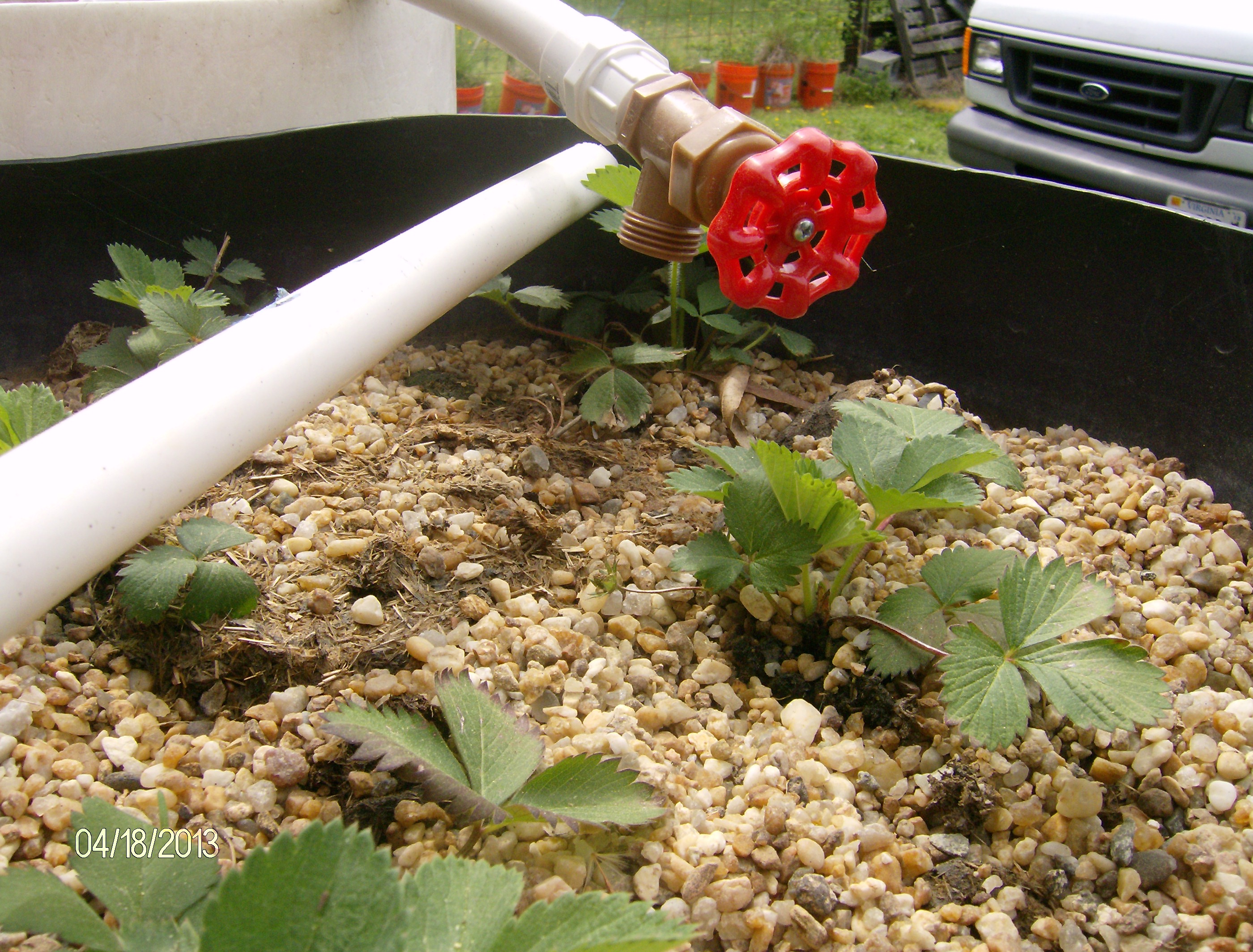
There are some other shots scattered about as well….for example the first shot is of my strawberries planted in gravel….this is part of my aquaponics experiment….I have 200 gallons of roof run off rainwater so I put some catfish in the barrels and I am circulating the water through some tubs with gravel and plants.

AQUAPONIC STRAWBERRIES IN GRAVEL

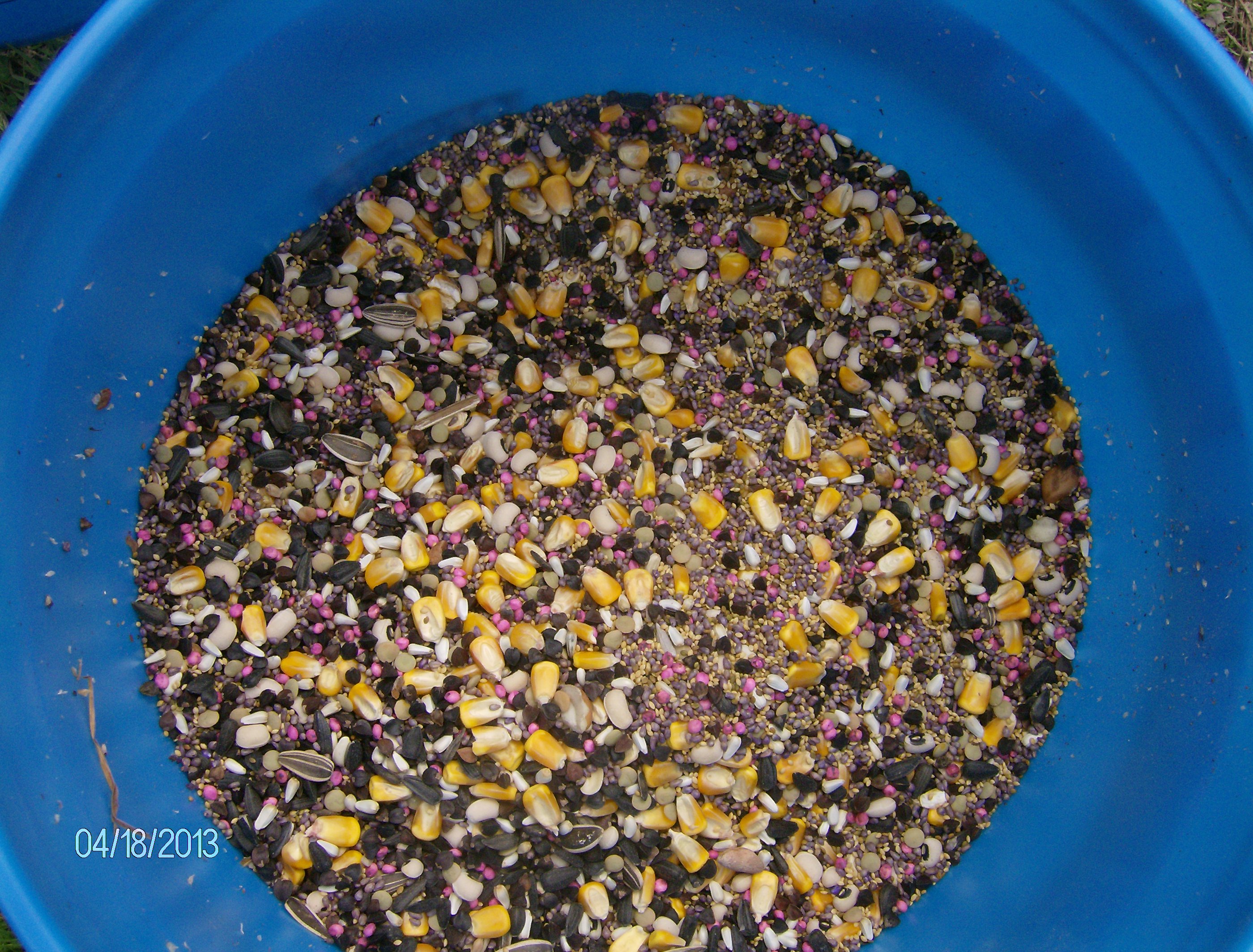
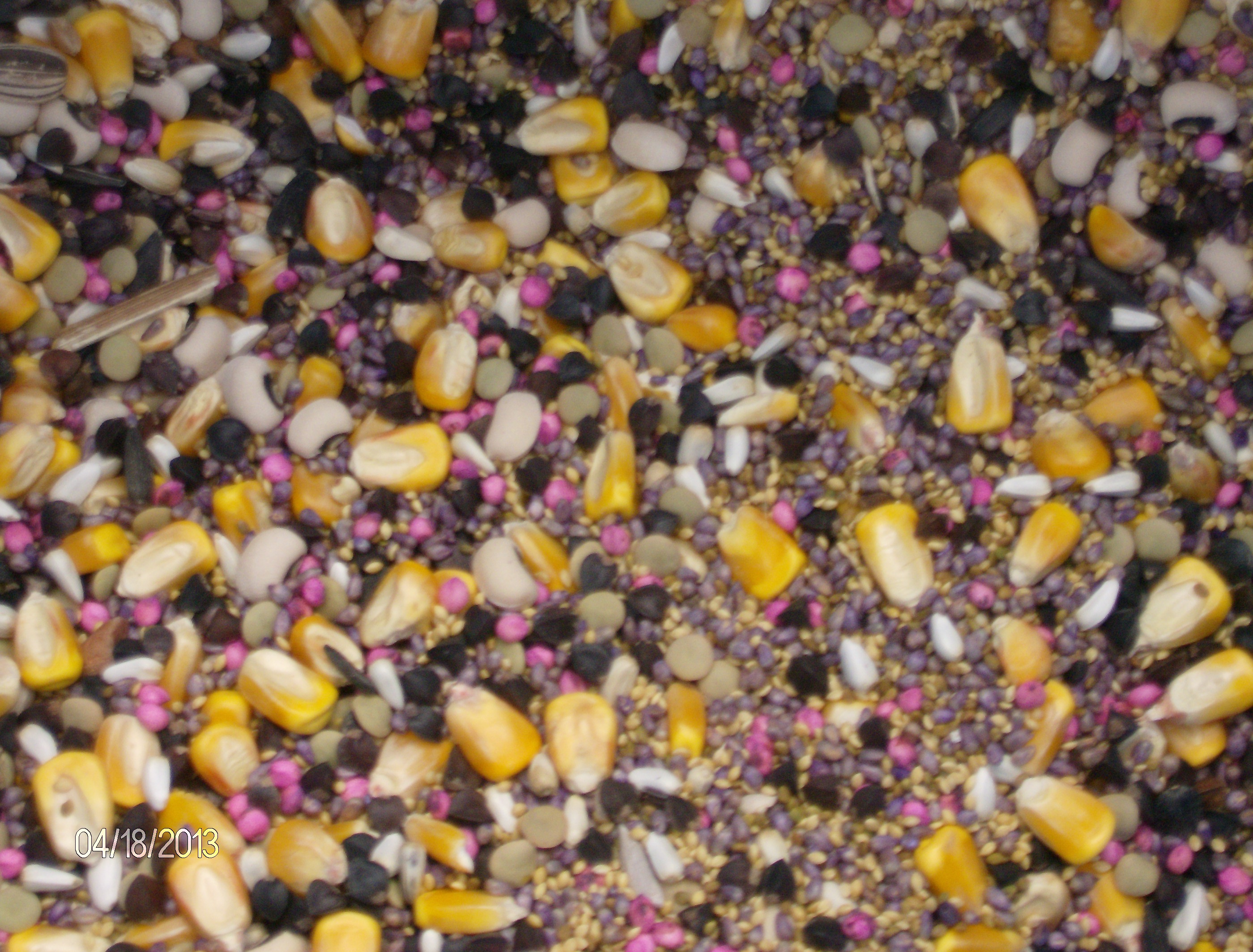
below is a shot of the mix I broadcast today in the field recently grazed by the bulls…..this is a mix I made up buying seeds from Walmart and the local feed store.
SUMMER COVER CROP FOR GRAZING

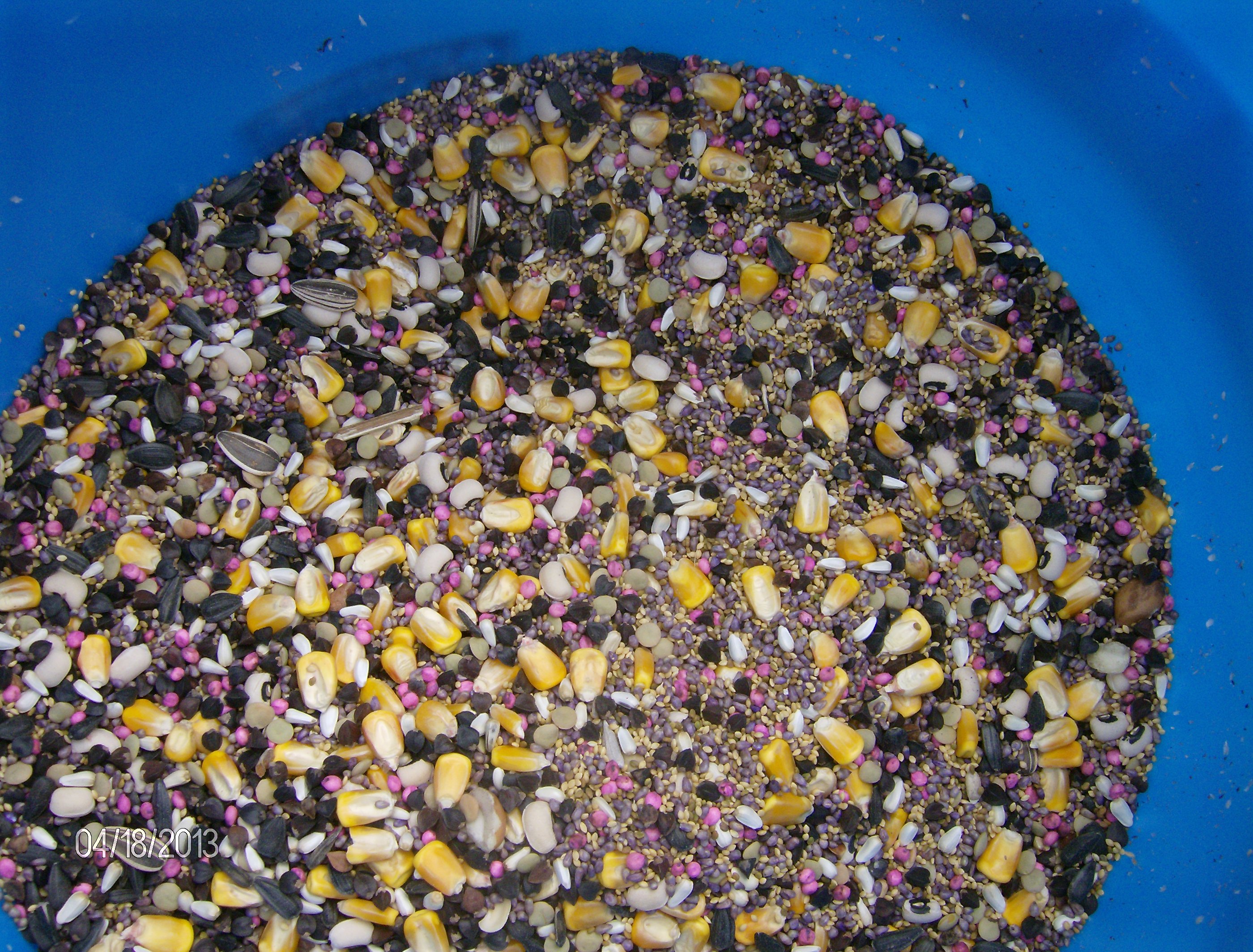
how many species can you identify? here is a closeup
SUMMER COVER CLOSE UP

a cover crop field that has not been grazed has a beautiful blooming crop of rape. There is a lot of clover….some winter peas..some wheat and triticale and some grass out there but all that is apparent now is the blooming rape….I don’t know when I will graze this or with what stock….
RAPE IN BLOOM IS BEAUTIFUL

The bulls in grazing the cover crops did not like the rape apparently but they were eating more of it as they went thru the strips….it was interesting to watch thm eat turnip forage and end up pulling up the turnips…they never did catch on to eating them….cows normally love turnips….
PULL THE TRURNIPS UP GRAZING THE FORAGE
Marie finally saw the big black sanke that has been around for a couple of years….Marie hates a snake worse than I do if that is possible…expecially since she was bit by a copperhead once….her theory is the only good snake is a dead snake and there was to be no happiness until he was a good snake….Judge works admirably for such work.
MARIE HATES A SNAKE...ANY SNAKE

Up in the top left is the corner lot that I grazed the horses on for 14 days in 14 strips…George and Veronica Getchell came by last weekend to observe how I did this first hand. The horses where in these strips then. the first strips grazed are probably eight to ten inches tall again all ready. The light color is the last couple grazed.
CORNER LOT GRAZED LAST WEEK

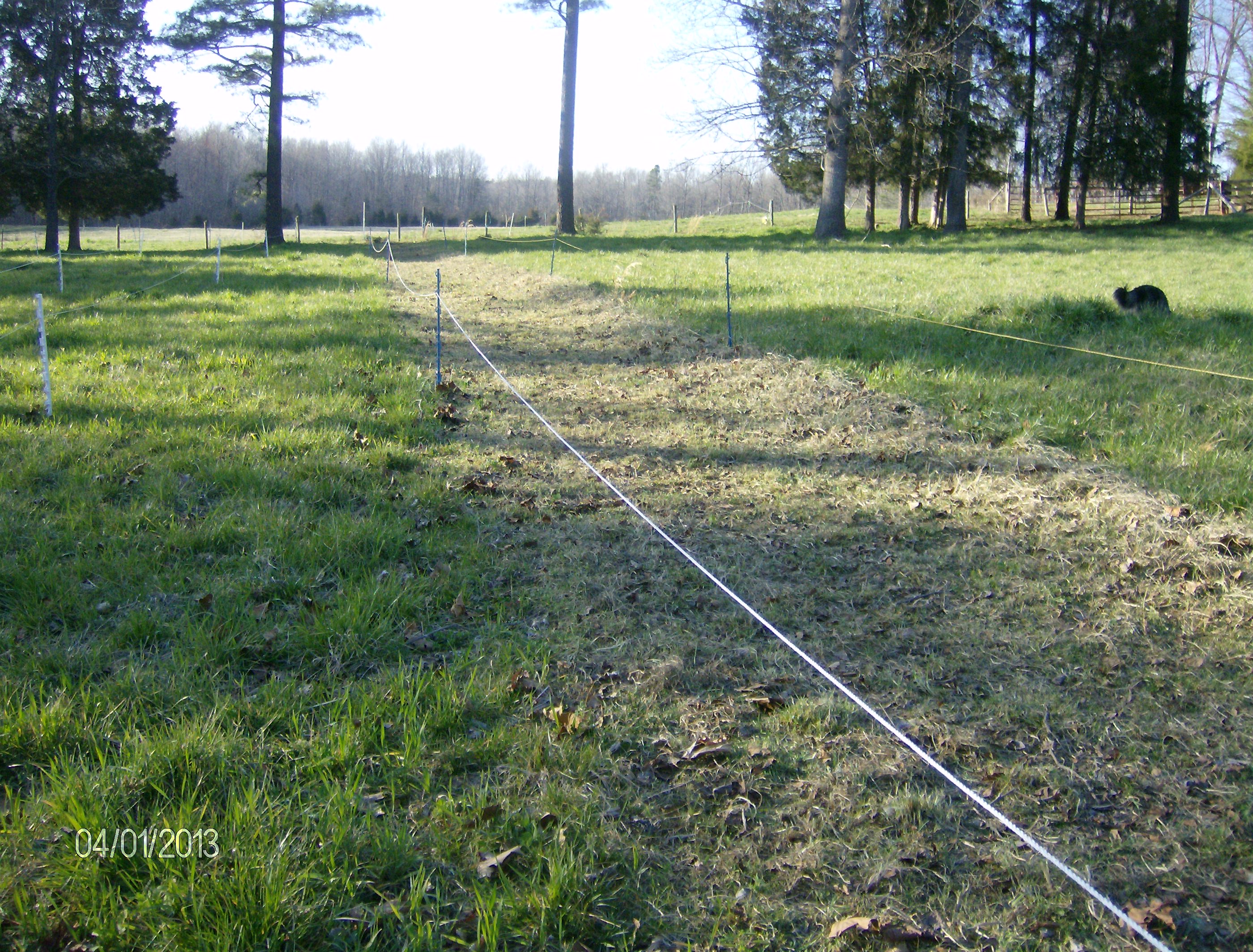
this is just a shot of the polywire in the rape dividing the lot into grazing strips for the bulls….one polywire about three feet off the ground is what I use for all stock.
BULL STRIPS THIS WEEK

below is a photo of the bull strip grazed today….
BULL STRIP GRAZED TODAY

below is a shot of the tomatoes I planted today. They are better boys planted in global buckets with a siphon watering system….we will see how it goes. I am still learning how to manage the global buckets.
BETTER BOYS IN GLOBAL BUCKETS

this is the best shot of the summer cover crop seed ploanted today….have you guessed all the species yet?
BEST SHOT OF SUMMER COVER SEED

I broadcast a total of about 19 lbs of seed on the lot today and we just now had a nice thunderstorm to wet it all down real well….I simply broadcast it over the standing stuble and existing rape….the grass and clover in the early grazed strips was already regrowing nicely so I don’t think I will have a lot fo bird feeding loss.
19 LBS OF SUMMER SEED FOR THE LOT NEAR THE FRONT YARD
Just another shot of the seed in the bucket…..I have about that much more to put in another lot….I have not yet decided where it will go…but it may go to the lot the bulls are in now which is the lot that laid fallow all last year…
SUMMER COVER CROP FOR GRAZING

recipe for todays broadcast mix
lentils 1 lb
black eye peas 1 lb
pearl millet 6 lbs
buckwheat 2.5 lbs
sweet yellow clover .5 lb
grain sorghum 1 lb
safflower 1 lb
sunflower 1 lb
corn 5 lb

COVER CROP PLOT UPDATE


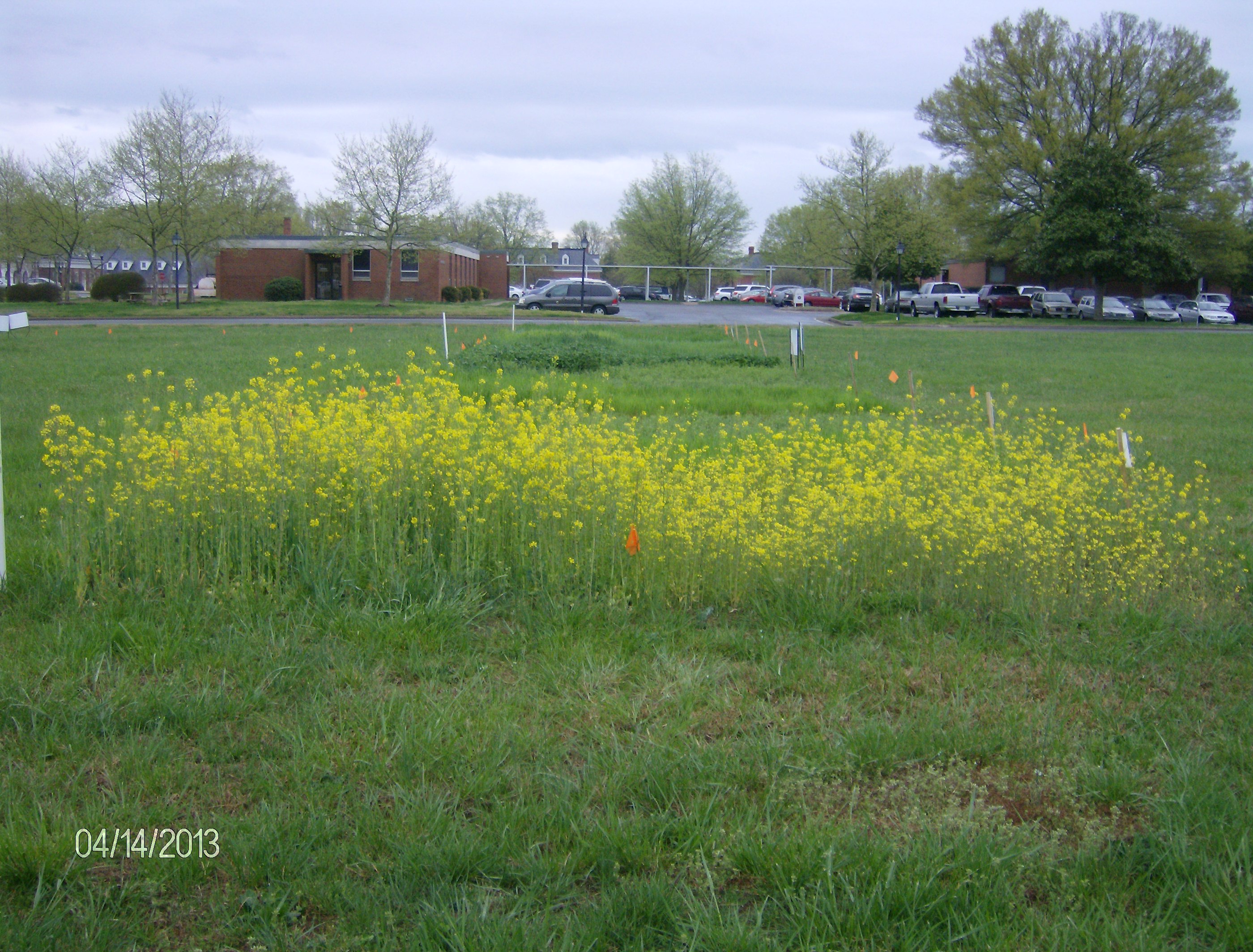
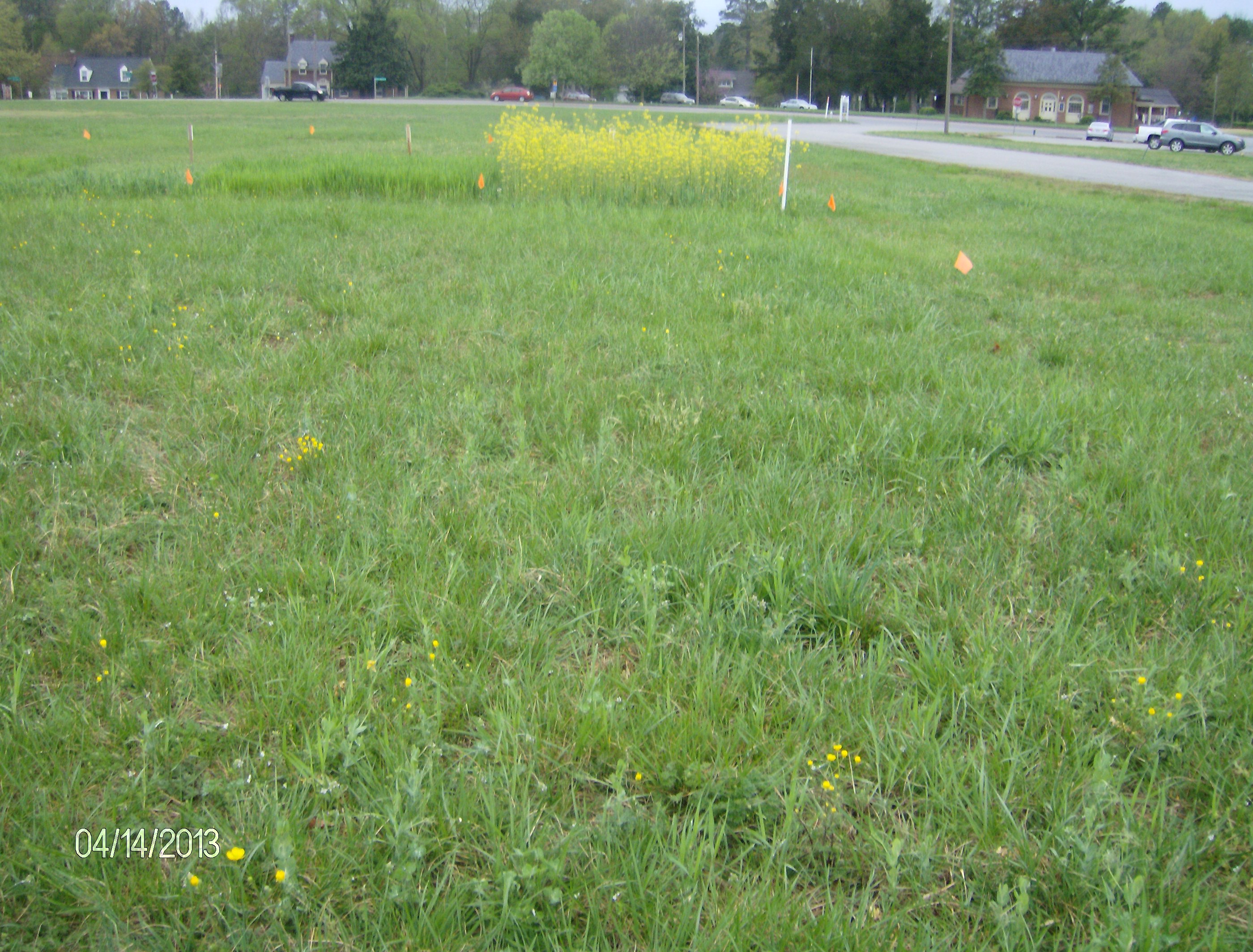
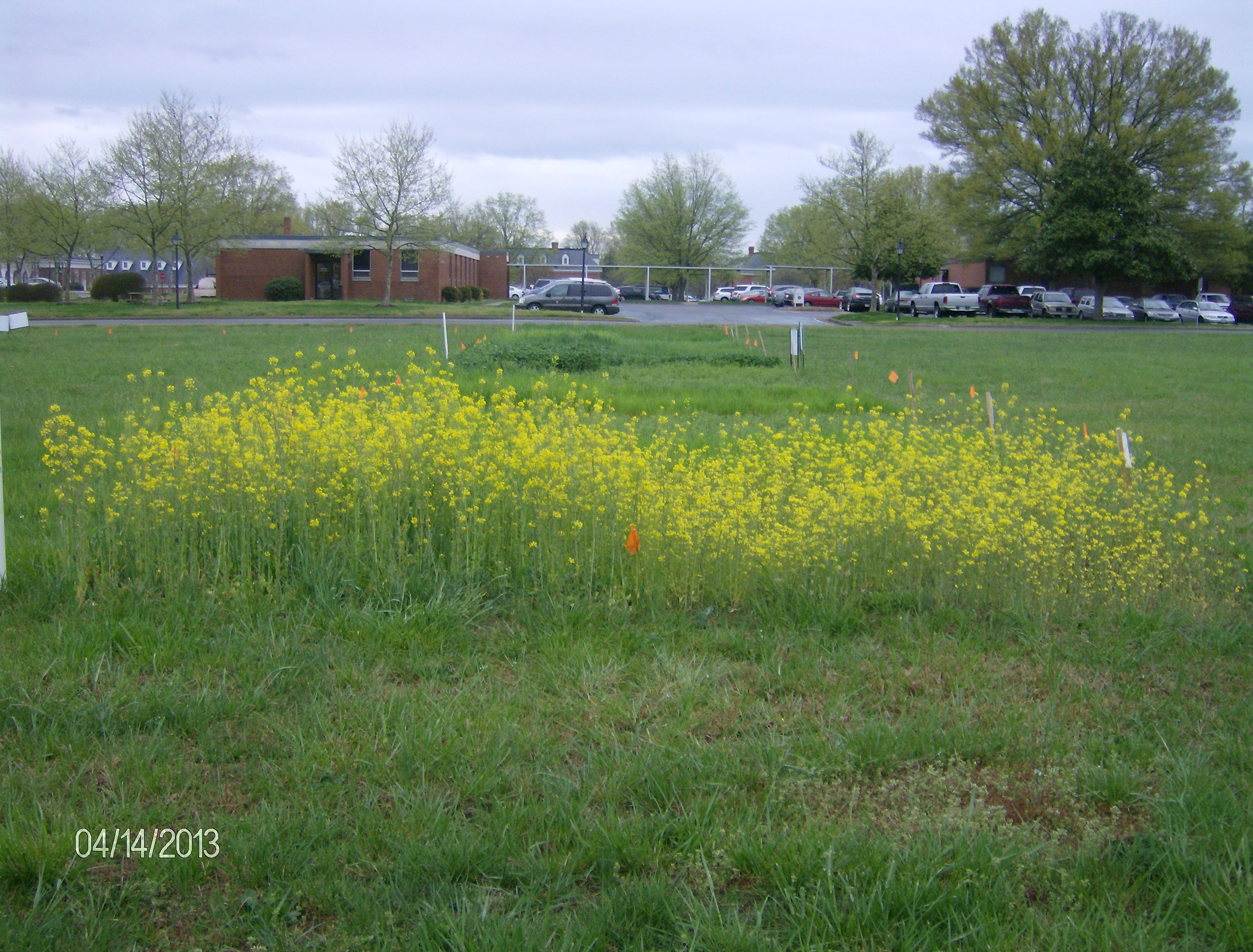
TODAY WAS A GOOD DAY TO SNAP A COUPLE OF PHOTOS OF OUR COVER CROP TEST PLOTS HERE AT THE OFFICE. We planted some real challenge plots. we had a couple of purposes in mind. One was to try to demonstrate our Multi species Cover Crops right here nearby. The second was to explore the fertility challenge.

We knew the ground we had available had not had any lime or fertilizer in years…it is simply a grass lot that is sometimes used for parking and it is mown regularly….

We marked off a 100 foot by 100 foot plot and did nothing but drill in the multispecies cover crop mix into the existing sod. Then out on one end we tilled a strip 10 feet wide by 100 feet long and planted several species in individual plots and we very lightly fertilied half of each of those plots and did nothing to the other half.

The photos below show the plots.

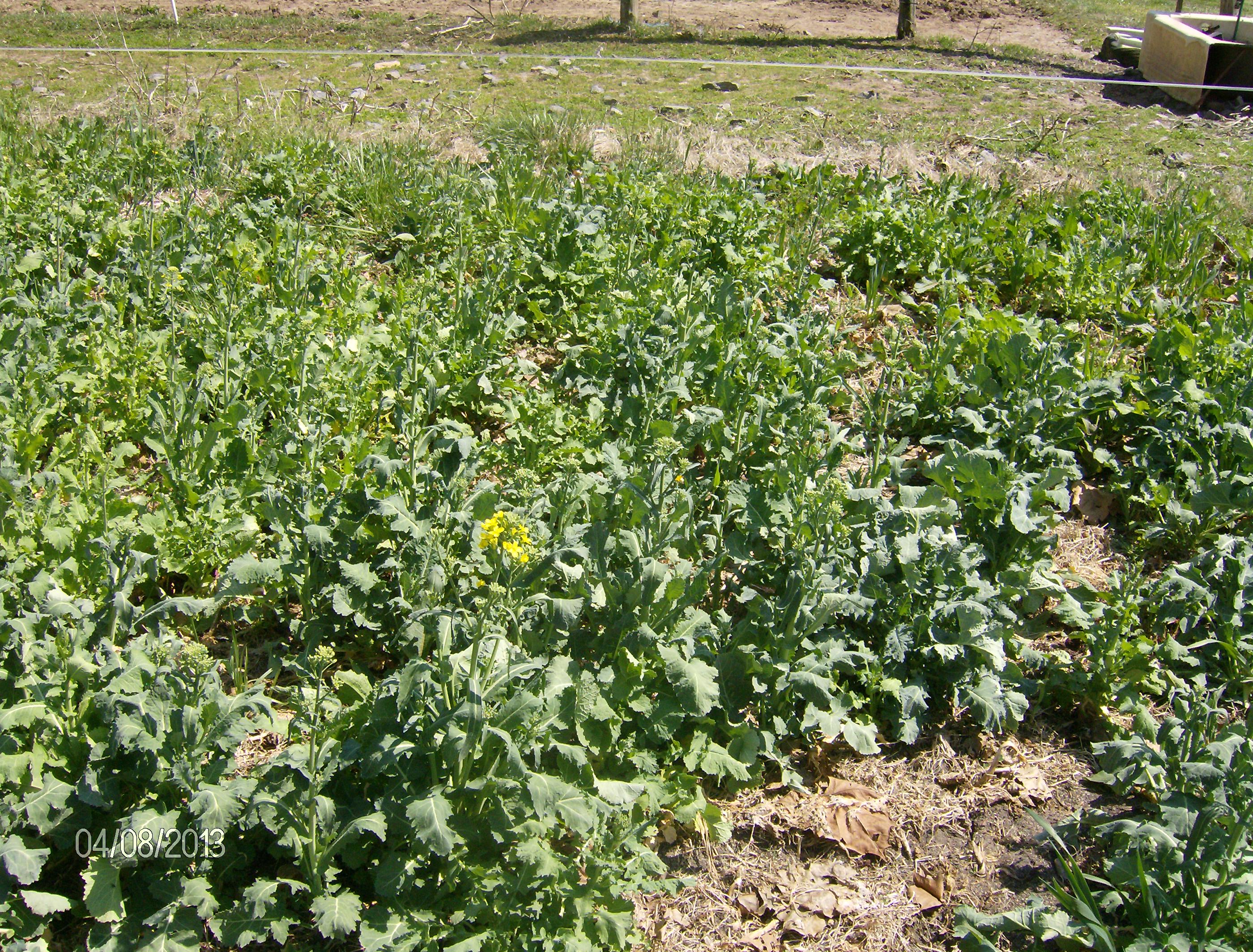
The first is a mixed brassica plot. mixture of kales and mustard and spinalch and turnip….the fertilized side is on the left.

HPIM4200

this is a view of the MSCC plot and the rows are just now beginning to be visible….my similar plot at home is over two feet tall and it only has natrual fertility from the rotationally grazed pastures.
HPIM4211

Crimson Clover….left is fertilized right is not…
HPIM4209

Oats….back has been fertilized and the front has not.
HPIM4208

Barley…back was fertilized and not only has a better stand but has begun to head and the front struggles to survive.
HPIM4207

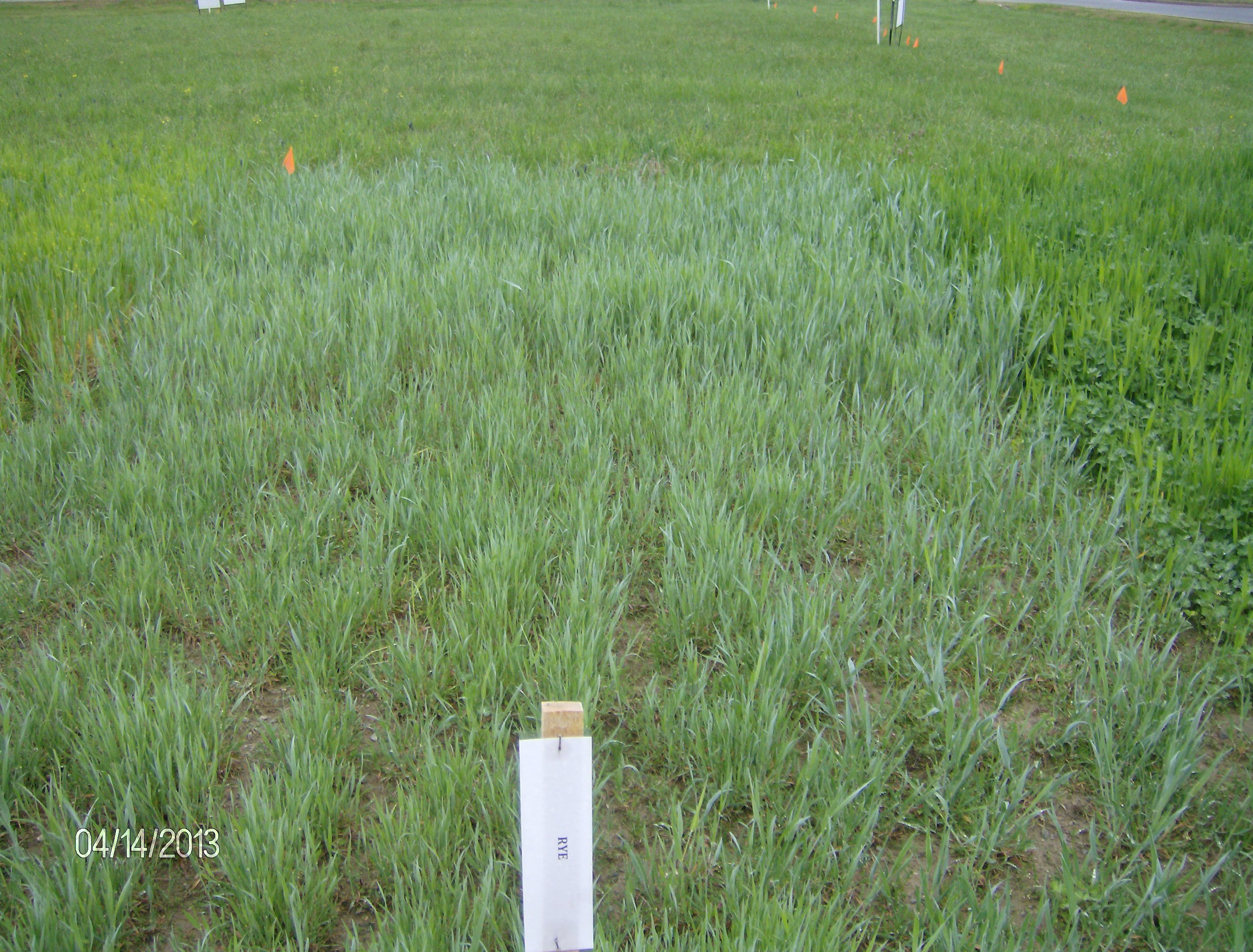
Rye…again the rear had some fertilizer and the thin and spinldy front stand had none.
HPIM4206

A view across all plots with the right having been fertilized and the left side none.
HPIM4205

wheat and crimson clover….the difference is more apparent in the previous photo but there is a real difference.
HPIM4204

wheat and lana vetch…the vetch in this plot frost killed but the rear of the plot was fertilized and the front was not.
HPIM4203

Wheat….the foreground no fertilizer and the background was fertilized.
HPIM4201

This is a good view from the western end of the strip. The difference is clearly visible on all the plots no matter the crop. We feel that even a nitrogne scavenging cover crop needs some basic fertility to get off to a good start and do its job well. While we have not yet decided what we will plant on this strip for the summer I have already broadcast it with a mix of clovers and they are beginning to be apparent on close inspection…we will probably plant some no till vegetables in rows in this plot. Then another cover crop in the fall.
HPIM4200

comment on my blog by Chris Lawrence…..NRCS Agronomist and I agree totally…

“I think it is worth emphasizing that a soil test can help you target what fertilizer elements are lacking. My recommendation is that P, K, lime need to be right for a legume to grow. But if they are in place, then a properly inoculated cover with adequate legume should not need N. Whether the N scavenging or non legume needs N depends on the N status of the soil (ie., preceding crop and N management) and the growers objective. Bottom line – I think the right answer on fertilizer for cover crops is “it depends”…”

Chris Lawrence, Cropland Agronomist
USDA-NRCS, Virginia
1606 Santa Rosa Road, Suite 209
Richmond, VA 23229
Office phone: (804) 287-1680
Cell phone: (804) 356-0610
chris.lawrence@va.usda.gov

GRAZING UPDATE 4/8/2013


HERE IS ANOTHER UPDATE TO MY GRAZING BLOG. IF YOU CLICK ON ONE OF THE FOLLOW LINKS AND SIGN UP, THE BLOG WILL SEND YOU AN E-MAIL WHEN EVER I POST SOMETHING TO IT…

APACHE TAKES A BREAK….85 DEGREES IS A LITTLE WARM FOR EARLY APRIL WHEN IT WAS SNOWING LAST WEEK
HPIM4169

APACHE AND DEE DEE….THEY ARE MOST GENERALLY ALWAYS TOGETHER….THEY HAD BEEN BUSY HUNTING FOR VARMITS IN THE COVER CROP FIELD….
HPIM4170

THE COVER CROP RAPE IS STARTING TO BLOOM
HPIM4171

JUST ANOTHER SHOT OF ONE OF THE COVER CROP PASTURE FIELDS….
HPIM4172

CLOSE UP OF THE COVER CROP FIELD. THIS COVER WAS BROADCAST ONTO THE PASTURE AFTER GRAZING LAST FALL….
HPIM4173

I TOLD YOU THAT IT IS GONE…
HPIM4174

A VIEW ACROSS THE HORSE GRAZING LANES
HPIM4175

THE FIRST HOSRE STRIP GRAZED ONE WEEK AGO IS REBOUNDING NICELY NOW THAT TEMPERATURES HAVE GONE FROM 28 TO 82.
HPIM4176

APACHE INSPECTS THE WORK….THE STRIP ON THE RIGHT WAS THE STRIP OPENED MONDAY AFTERNOON AND THE STRIP ON THE LEFT WAS OPENED TUESDAY AFTERNOON….I NORMALLY DO NOT ALLOW ACCESS BACK TO THE STRIP JUST GRAZED BUT NEEDED THE FENCE ELSEWHERE AND THEY WILL ONLY BE ON IT A TOTAL OF TWO DAYS SO I RAIDED THE PORTABLE FENCE.
HPIM4177

OBVIOULSY WE WANT THE GOOD STUFF ANYWAY….
HPIM4178

FESCUE AND VETCH AND A LITTLE WHEAT
HPIM4179

PERKINS DEMONSTRATES PROPER GRAZING TECHNIQUE
HPIM4180

ANOTHER VIEW OF THE STRIPS
HPIM4181

THIS WAS THE WINTER SACRIFICE AREA WHERE I FED HAY WHEN THE WEATHER WAS FIT….I WILL SOON SHUT THIS OFF AND LEAVE IT ALONE JUST TO SEE WHAT COMES UP…..THEY WERE ALL ASLEEP THERE THIS MORNING WHEN I LEFT HOME…WELL IT WAS PERKINS TURN TO STAND GUARD SO HE WAS UPRIGHT BUT THE REST WERE SACKED OUT. PERKINS WAS STANDING RIGHT OVER STAR BABY
HPIM4182

THIS WAS THE FIRST PADDOCK THAT THE BULLS GRAZED….THEY WERE THERE FOR THREE DAYS AND HAVE BEEN OUT FOR FIVE DAYS NOW AND IT APPEARS TO BE COMING BACK NICELY…EVEN THE WHEAT IS REGROWING…IT WILL DO THAT WHEN GRAZED EARLY…IT HAD NOT YET JOINTED.
HPIM4183

Grazing strips…getting started late this year…


I finally opened the first grazing strip for the horses last night..4/1/2013…We have had such miserable weather that grass and crops have just not grown….Perkins was the first to recognize that I might be heading somewhere beneficial and he tucked his head under my arm and followed me as I walked up the lane.  Star Baby was not going to be left behind and she cam trotting along after us….The Mini Donks followed suit.

When Perkins recognized that a wire rope gate had been moved his head went right down and he bagan grazing.  Star Baby nipped him out of the way so she could access the grass as well….When last seen they were all four spread out across the narrow grazing strip and happily munching away.

These little strips will mean daily moves for a week or so.  I will try to take some photos of the first move this evening.  Won’t move a fence until tomorrow evening.  Will try to do a better job of keeping the blog up to date this year.


Grazing update 4/2/2013


As promised I took the camera to the field last night when I changed grazing stips. Now you have to suffer the consequences.
this first shot is some Wheat and vetch overseeded into a bull pasture….I split this paddock and opened it for the two long yearling bulls last night….Dee Dee and Apache are cheking it out to make sure it is safe.

HPIM4146

This is a closeup of the overseeded wheat and vetch. I did not know the vetch had started to bloom until I went in there to runt the polywire to divide the lot.

HPIM4145

Star Baby saw me go to the grazing area and came thundering up behind me closely followed by Perkins

HPIM4144

As you can see a strip is barely wide enough for a horse to turn around in…..

HPIM4143

heads go down as soon as green grazable grass is reached….
HPIM4142

HPIM4141

this is the field that is being strip grazed by the horses right now….I think I have about sixteen days of grazing in this paddock right now not counting growth over the grazing time….

HPIM4140

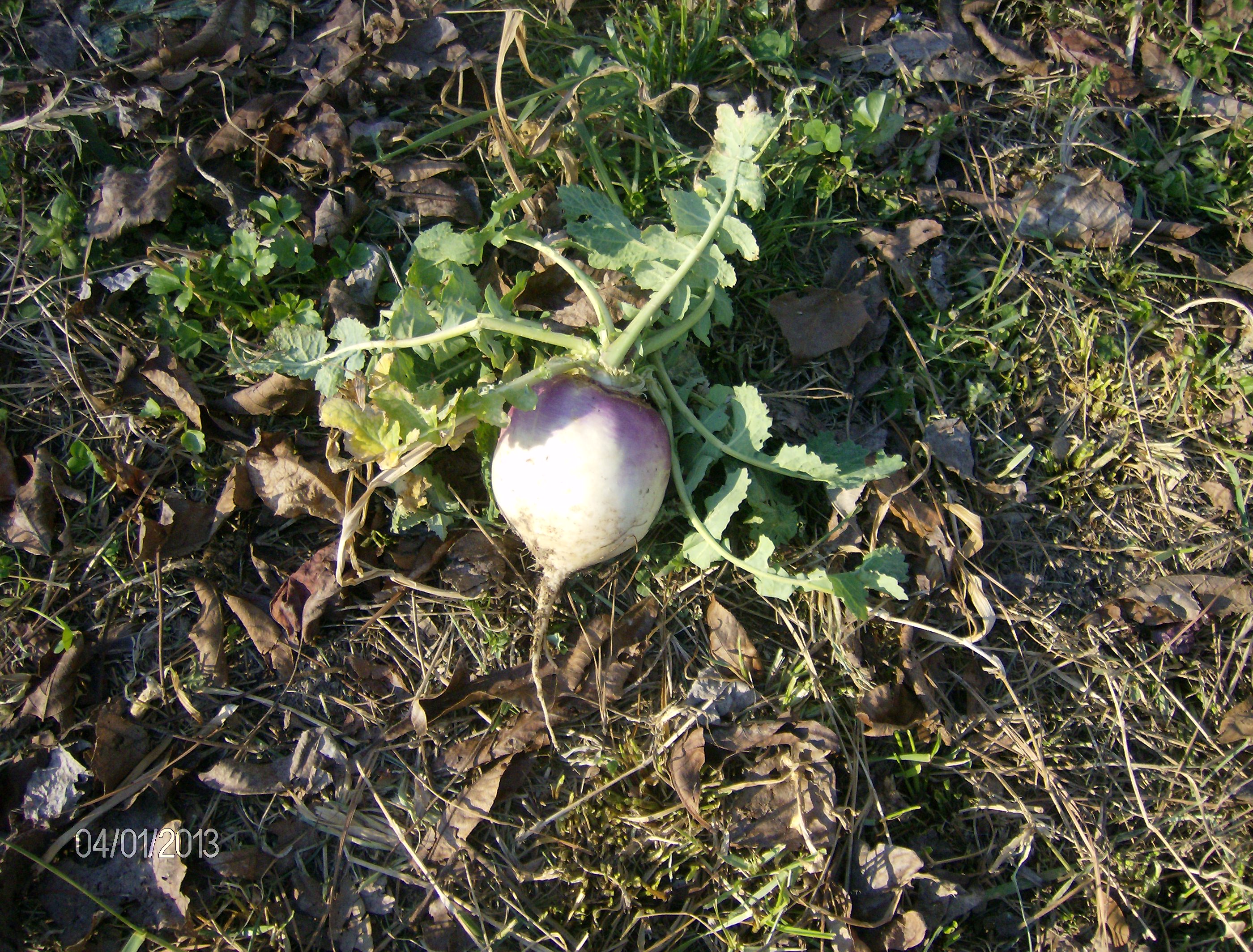
someone pulled up a turnip

HPIM4139

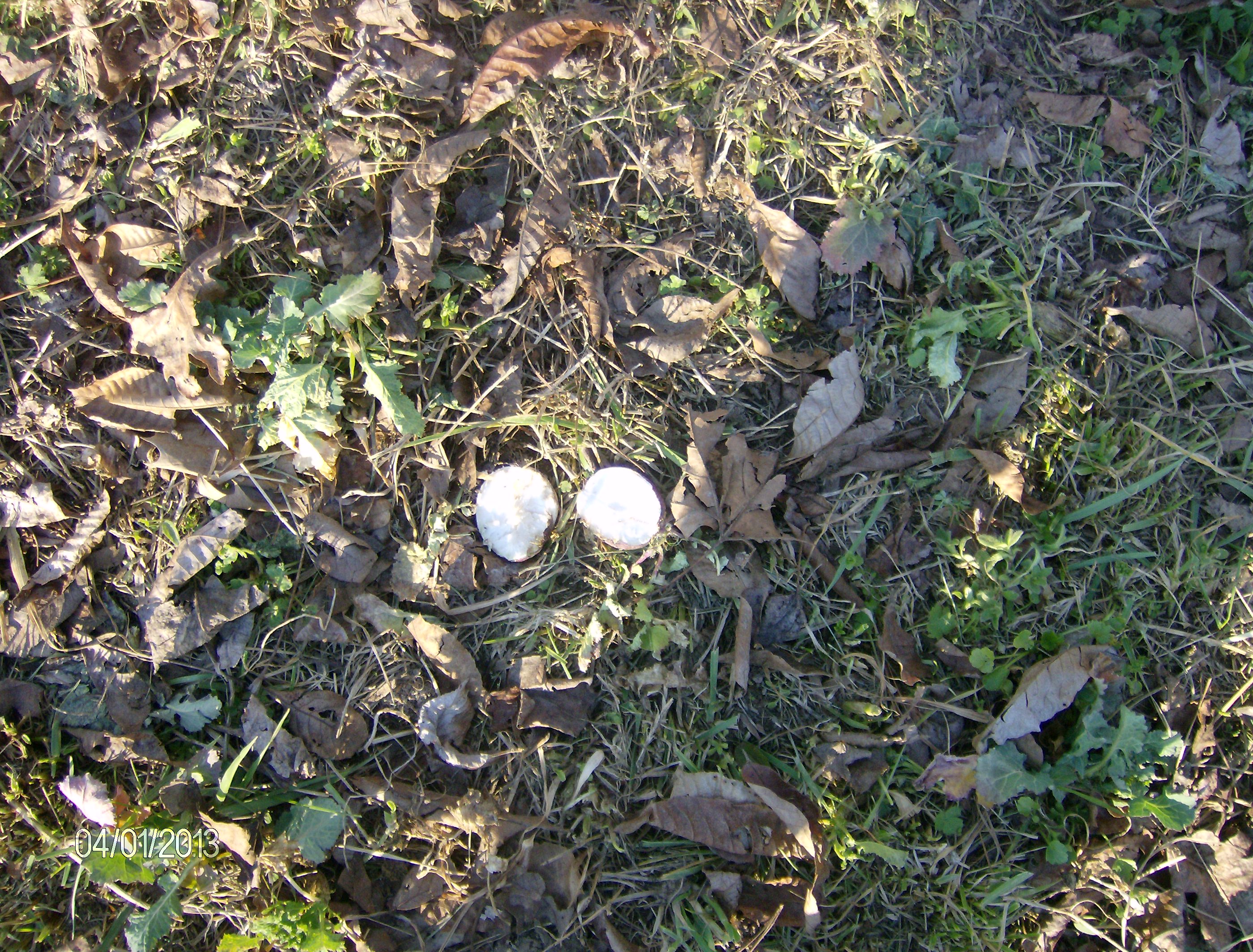
someone bit this one and spit it out….The equines have not yet developed a taste for turnips….they will over time…at least other horse I have had did.

HPIM4138

this is a shot of one of the pastures overseeded with Multi Species Cover Crops

HPIM4137

yesterdays grazed strip and todays new strip

HPIM4136

view down yesterdays strip. I told you it is six feet wide and 100 feet long approximately…not enough for them to get into grass trouble on….but enough for them to get started. I have four of these and the next division will be three strips 8 feet by 100 feet.

HPIM4135

Waylon….poor shot…..he really is much better in his rear than this shot shows.

HPIM4132

Walker….Walker is pretty correct but he is destined for the freezer…Young bulls have been some of the best beef we have ever put in the freezer.

HPIM4131

Waylon is preparing for his date in May with Mrs. Gassers cows.

HPIM4130

NRCS Field Day At Cabin Hill Farm and meeting of the State Technical Committee


On Tuesday March 26, 2013 the Hanover – Caroline Soil and Water Conservation District was proud to assist Va NRCS in facilitating a meeting of the State Technical Committee. 

It was an NRCS meeting but our district assisted in logistics and set up.  The meeting  was held in the fellowship hall of a local church and the demonstrations were held at Cabin Hill Farm, the base of Engel Family Farms.

below are photos from the event taken by Marian Moody and Jim Tate of Hanover Caroline SWCD.


Dr Wade Thomason, Discussing his research and CIG grant

Dr Wade Thomason, Discussing his research and CIG grant

Chris Lawrence and Kevin Engel

Chris Lawrence and Kevin Engel

watching the rainfall simulator

watching the rainfall simulator

J B Daniel explaining what is happening and why

J B Daniel explaining what is happening and why

the rainfall simulator in action

the rainfall simulator in action

Chris Lawrence explaining what is going to happen

Chris Lawrence explaining what is going to happen

IMG_2437

an actual slice of multispecies cover crop from a participant field

an actual slice of multispecies cover crop from a participant field

LOOK....I found a worm!!!

LOOK….I found a worm!!!

IMG_2434

a slice of multispecies cover crop upside down

a slice of multispecies cover crop upside down

chris Lawrence expalining the basicis of soil health

chris Lawrence expalining the basicis of soil health

IMG_2431 IMG_2430

four basic principles are the keys to building soil health

four basic principles are the keys to building soil health

IMG_2428 IMG_2427 IMG_2426 IMG_2425

actual multi species cover crops on display

actual multi species cover crops on display

IMG_2423 IMG_2422 IMG_2421 IMG_2420 IMG_2419

Mr. Bricker presides over the meeting of the State Technical committee

Mr. Bricker presides over the meeting of the State Technical committee

Kevin Engel welcomes the audience to his farm

Kevin Engel welcomes the audience to his farm

The results are visual and dramatic

The results are visual and dramatic

HPIM4093

J B Daniel Va NRCS Forage Agronomist

J B Daniel Va NRCS Forage Agronomist

HPIM4091 HPIM4090

J B Daniel and Chris Lawrenece run the rainfall simulator

J B Daniel and Chris Lawrenece run the rainfall simulator

Rainfall simulator demo

Rainfall simulator demo

Chris Lawrence Va NRCS Cropland Agronomist talking about soil health

Chris Lawrence Va NRCS Cropland Agronomist talking about soil health

Jack Bricker Va NRCS State Conserveationist

Jack Bricker Va NRCS State Conserveationist

Tate is entralled by his younger mentor

Jim Tate, HCSWCD Conservation Specialist , telling stories

Jim Tate, HCSWCD Conservation Specialist , telling stories